This post contains affiliate links. If you purchase through these links, we may earn a small commission at no extra cost to you. This helps support our independent research.
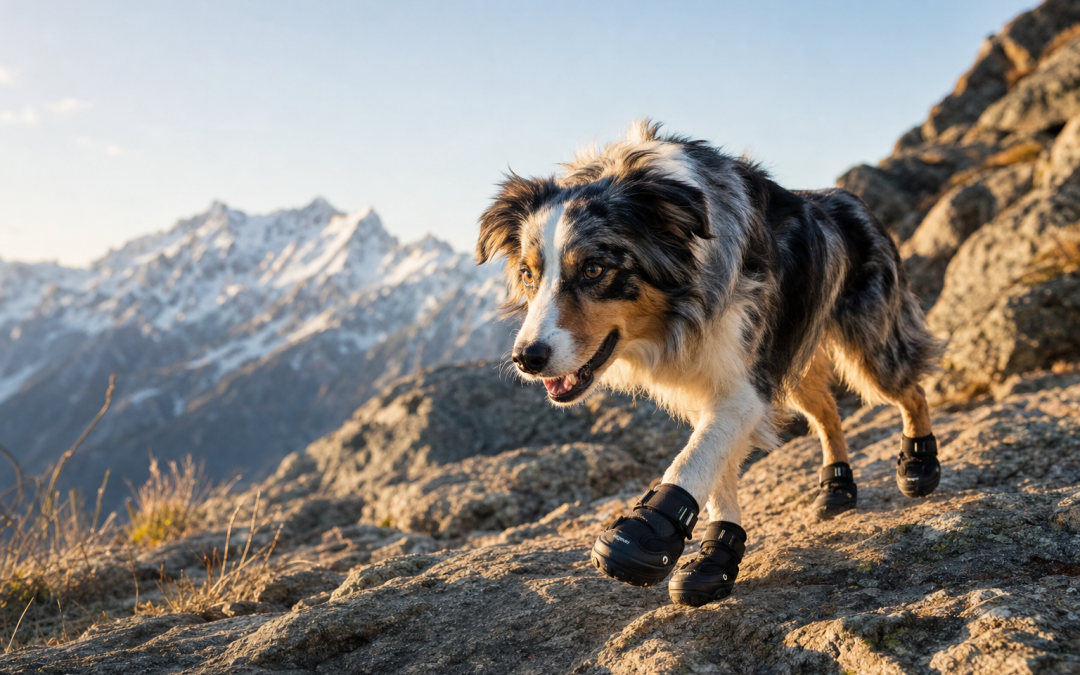
Based on manufacturer-published specifications, the Ruffwear Grip Trex is the strongest all-round choice for weekend hikers: Ruffwear specifies a non-marking Vibram outsole with a rugged lug design, a YKK hydrophobic hook-and-loop cinch closure, and eight paw widths from 1.50 to 3.25 inches. For a softer, lower-cost alternative the Original All Weather Muttluks pair a nylon upper with a treated leather sole and self-tightening straps, which suits maintained trails rather than technical rock.
You have probably been there: excited for a weekend hike, only to watch a new boot come off halfway up the trail. Fit and closure design decide whether a boot stays on, and those are the specifications worth comparing.
Disclosure: This article contains affiliate links. If you buy through our links, we earn a small commission at no extra cost to you. We only recommend gear that meets our research criteria.
Quick Picks: Best Dog Boots at a Glance
Best Overall: Ruffwear Grip Trex
Ruffwear Grip Trex
Ruffwear specifies a non-marking Vibram outsole with a rugged lug design and eight paw widths from 1.50 to 3.25 inches.
Best mid-range: Ruffwear Summit Trex
Ruffwear Summit Trex
Ruffwear specifies a non-marking rubber outsole, not the Vibram used on the Grip Trex, a 150D polyester upper with nonfluorinated DWR and PU coating, and nine paw widths from 1.50 to 3.25 inches.
Best for Hot Weather: Muttluks All Weather

Muttluks All Weather Boots
Muttluks specifies a nylon exterior for hot or cold use, treated leather soles, self-tightening straps and reflective straps, in eight sizes from Itty Bitty to XXL.
How we researched this guide
We do not test boots ourselves. Every specification below is taken from the manufacturer’s own published product information and attributed to them. Where a manufacturer does not publish a figure, notably per-boot weights, which almost none of them publish, we leave it out rather than estimate it.
Comments on comfort, fit quirks and how boots hold up over time come from what owners report in published reviews. Those are opinions at scale, not measurements, and we label them as such.
Do Dogs Really Need Boots?
When Boots Are Worth the Investment
Based on veterinary recommendations and user experiences, boots provide genuine protection in specific scenarios. Sharp rock terrain, extended hot pavement exposure, and winter ice/salt conditions consistently damage paw pads according to hiking community reports. Cross-reference vet temperature guidelines before deciding whether boots or paw wax is the right call for any given day.
Users consistently report confidence benefits too. Knowing your dog’s paws are protected allows longer, more adventurous hikes without constant paw checking. Service dog handlers note this psychological factor as significant for both dog and handler.
When to Skip Them and Save Your Money
Short hikes on familiar soft trails rarely require boots according to experienced hikers. Dogs naturally toughen their pads through regular exposure, and many weekend hikers overestimate protection needs for their typical routes.
The data shows most casual users abandon boots within months due to fit frustrations or minimal perceived benefit. If your typical outing is under 3 miles on maintained trails, your money might be better spent elsewhere.
Individual Boot Reviews
Ruffwear Grip Trex: The Hiking Standard
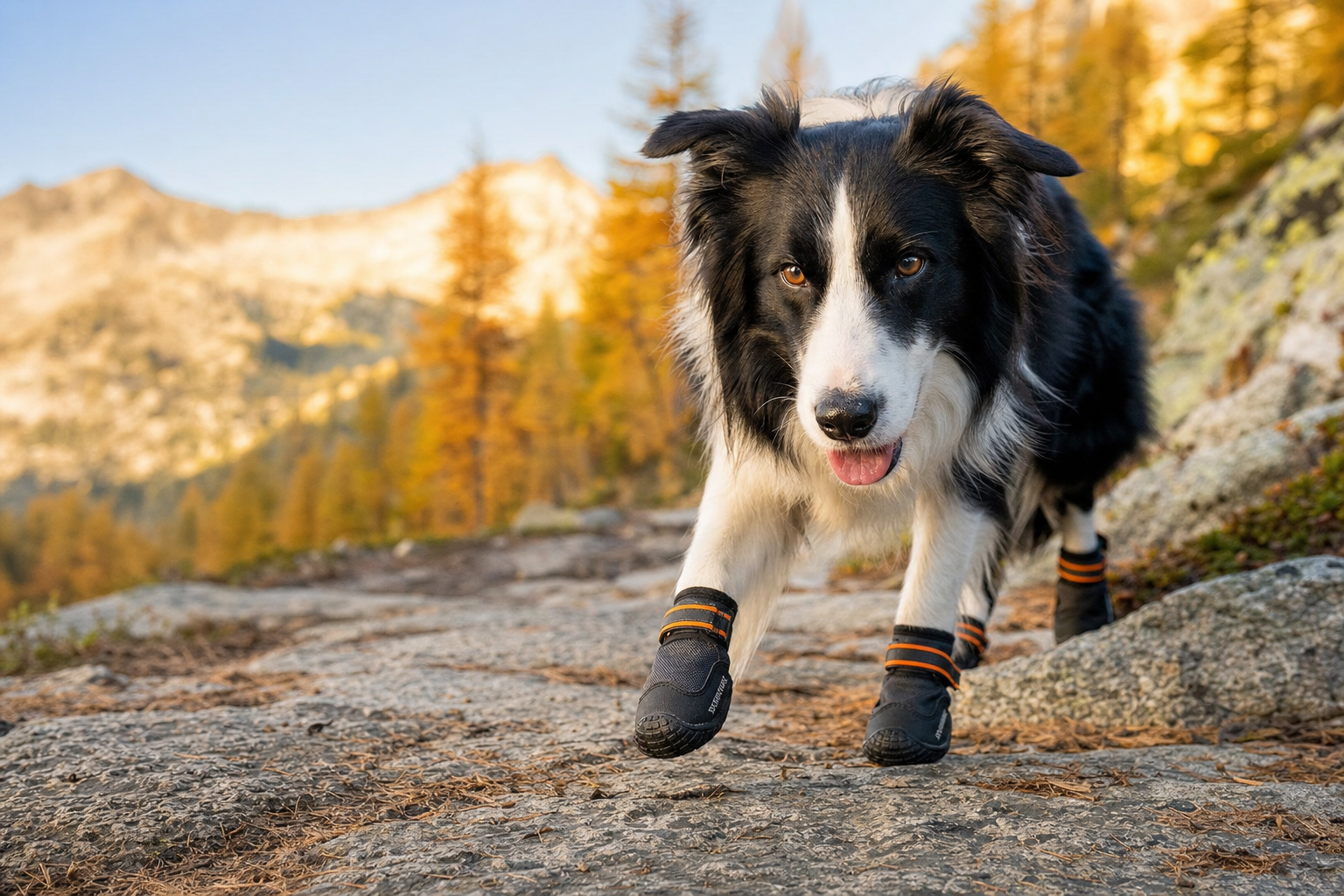
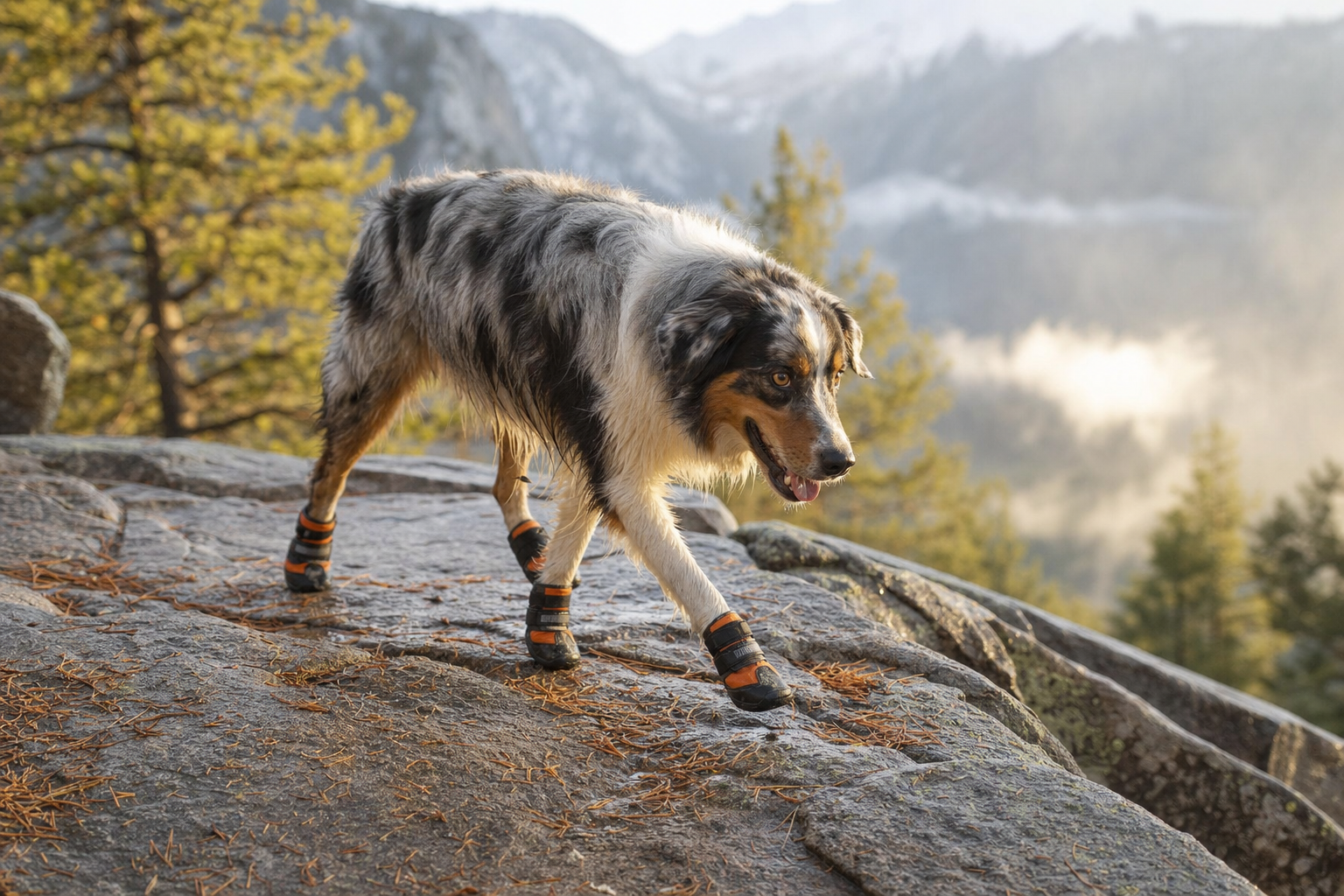
Best for: Serious weekend hikers prioritizing durability and traction
Key specs, per Ruffwear:
– Non-marking Vibram outsole with a rugged lug design
– YKK hydrophobic hook-and-loop cinch closure
– Eight sizes by paw width: 1.50, 1.75, 2.00, 2.25, 2.50, 2.75, 3.00 and 3.25 inches
– Care: cold water, gentle cycle, mild detergent, air dry
– Ruffwear does not publish a per-boot weight
What users love:
– Exceptional rock grip: Hikers consistently praise traction on slick rock and mixed terrain, with many noting confidence on technical sections
– Durability: owners frequently report multiple seasons of regular use before sole wear becomes an issue
– Easy on/off system: Single strap design speeds up trailhead prep compared to complex multi-strap alternatives
Trade-offs:
– Sizing challenges with wide paws: Multiple reviews mention poor fit for dogs with oval-shaped paws, requiring size compromises
– Not waterproof: Mesh construction means wet conditions soak through, though boots dry quickly
The Grip Trex is priced above budget alternatives, and the Vibram outsole is the concrete reason: it is the only boot in this guide whose outsole compound the manufacturer names.
Ruffwear Summit Trex: the current multi-season Ruffwear boot

Note on the Polar Trex: earlier versions of this guide recommended the Ruffwear Polar Trex. Ruffwear no longer lists it in its current boot line-up. Its current range is the Grip Trex, Summit Trex, Ridgeline Shoes, Hi and Light Trail Shoes and Bark’n Boot Dog Socks. If you find Polar Trex stock somewhere, it is old inventory, not a current model.
Best for: hikers who want one Ruffwear boot for varied conditions and do not need the Vibram outsole
Key specs, per Ruffwear:
– Upper: bluesign approved 150D polyester with nonfluorinated DWR and PU coating
– Cuff: styrene-butadiene rubber
– Outsole: non-marking rubber, not the Vibram used on the Grip Trex
– Closure: reflective polyester webbing with YKK hydrophobic hook-and-loop cinch
– Nine sizes by paw width, 1.50 to 3.25 inches in quarter-inch increments
The important distinction is the outsole. Ruffwear names Vibram on the Grip Trex and does not on the Summit Trex, so if technical rock traction is the reason you are buying boots, the Grip Trex is the one to choose. The Summit Trex costs less and covers general trail use.
A note on Kurgo boots
Earlier versions of this guide recommended a product called the “Kurgo Blaze Cross Step-n-Strobe Dog Boots” as the best-value pick, with a weight, a tread description and a durability figure attached to it. No such product exists under that name. Blaze Cross and Step-N-Strobe were two separate Kurgo lines, and at the time of writing Kurgo’s own site lists neither: its current footwear product is the Blaze Dog Socks, which are socks for traction and paw protection indoors and on mild surfaces, not hiking boots.
We have removed the entry rather than quietly swapping in a different product, because the specifications previously listed here were not traceable to anything Kurgo publishes. If you were sent here looking for Kurgo boots, the honest answer is to look at the Ruffwear Summit Trex or the Muttluks below instead.
Muttluks All Weather: Budget Longevity Champion
Muttluks All Weather Boots
Best for: Occasional hikers prioritizing comfort and longevity over aggressive traction
Key specs, per Muttluks:
– Nylon exterior fabric, described by Muttluks as suited to hot or cold climates
– Treated leather soles for a flexible fit
– Self-tightening straps plus a stretchy adjustable leg cuff
– Reflective straps for night visibility
– Eight sizes: Itty Bitty, XXS, XS, S, M, L, XL, XXL. Sold as four boots per package
– Care: machine wash, then retreat the leather after each wash
– Muttluks does not publish a per-boot weight
What users love:
– Longevity: owners commonly report several seasons of light-to-moderate use, and the leather soles can be re-treated rather than replaced
– Comfort factor: Users frequently mention dogs adapting quickly with minimal fuss compared to synthetic alternatives
– Value pricing: consistently cheaper than the Ruffwear boots
Trade-offs:
– Limited technical traction: a treated leather sole is flexible and quiet but gives far less grip on wet or technical rock than the Vibram outsole on the Grip Trex
– Sizing inconsistency: Users report needing to order multiple sizes to find proper fit
Muttluks suit light-to-moderate trail use. They will not handle technical terrain the way a Vibram-soled boot does, but for maintained trails and occasional outings owners consistently praise the comfort-to-cost ratio. Note that Muttluks also sell a separate fleece-lined winter model, which is a different boot from the All Weather described here.
Wagwear WagWellie Mojave: Trail Comfort Champion
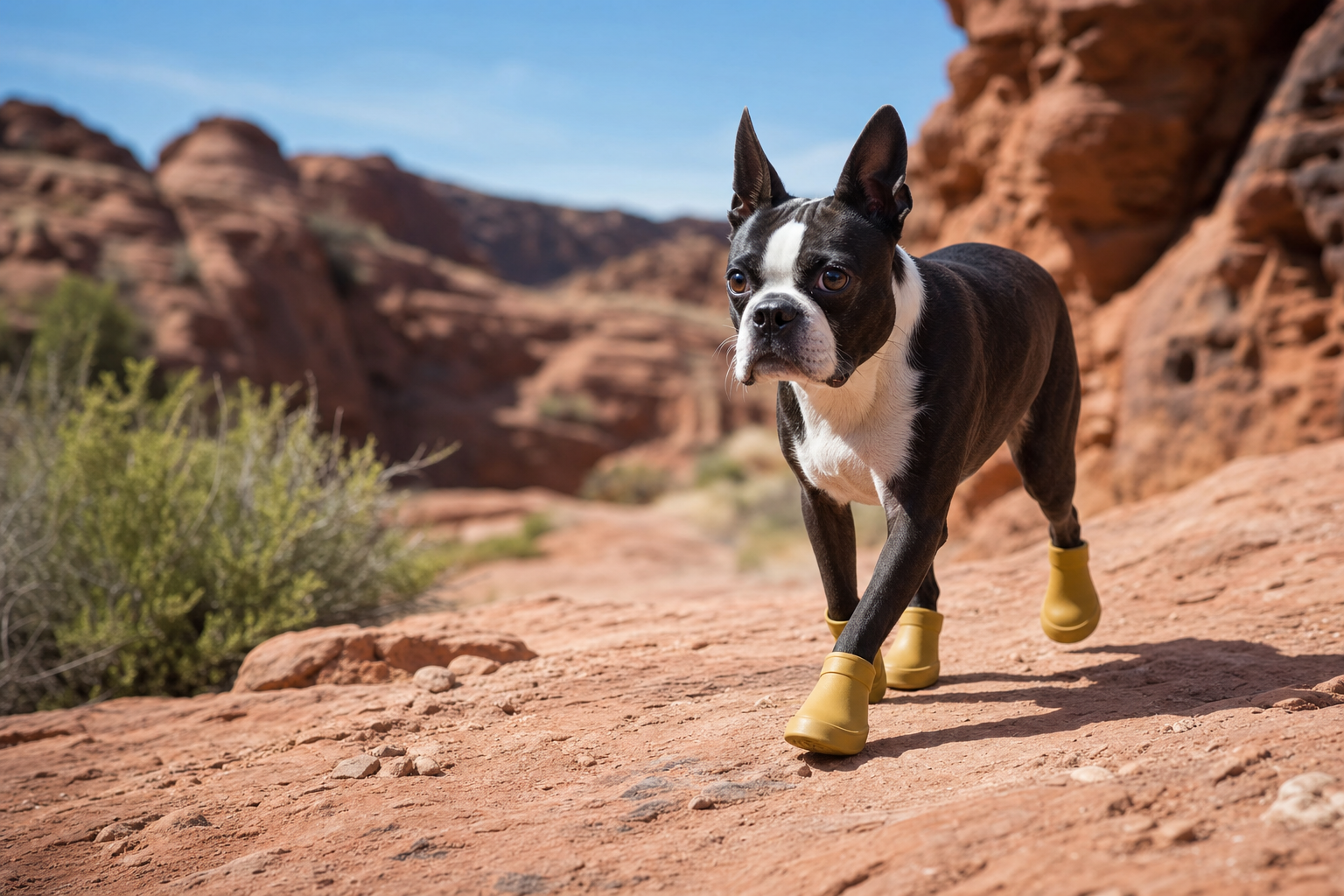
Wagwear WagWellie Mojave Boots
Best for: Dogs prone to chafing or sensitive paw pad issues
Key specs: we could not reach a Wagwear specification page to verify weights or sizing while preparing this guide, so we are not publishing figures for it. The features consistent across listings are a breathable mesh upper, a thin sole and a single hook-and-loop closure. Check the seller’s size chart before ordering.
What users love:
– Comfort: owners frequently report less rubbing than with stiffer boots, though this varies by dog
– Breathability: Mesh construction prevents overheating during active use
– Natural feel: Thin sole allows dogs to maintain normal gait and ground sensation
Trade-offs:
– Debris entry: Multiple users mention sticks, rocks, and sand entering through mesh openings
– Durability concerns: Lighter construction shows wear faster than heavy-duty alternatives
The WagWellie Mojave addresses the comfort issues many dogs experience with traditional boots. Users prioritizing all-day wearability over maximum protection consistently choose these over burlier alternatives.
Wagwear WagWellie Mojave Boots
Neo-Paws Traction Pads: Minimalist Alternative
Neo-Paws Neo-Paws Traction Pads
Best for: Dogs resistant to traditional boots but needing basic paw protection
Key specs: we could not verify Neo-Paws’ published specification for wear duration or pad weight, so we are not publishing those figures. These are adhesive traction pads applied directly to the paw pad rather than a boot. Follow the manufacturer’s application and wear-time instructions, and check with your vet before using an adhesive product on a dog with paw pad injuries or skin conditions.
What users love:
– Zero adjustment period: Dogs accept these immediately without the typical boot resistance
– Stays on reliably: Adhesive system eliminates the slip-off issues common with strap-based boots
– Natural movement: Minimal thickness maintains normal gait patterns
Trade-offs:
– Ongoing costs: Disposable nature makes these expensive for regular use
– Application time: Each pad requires individual placement, slowing trailhead prep
These suit occasional protection or dogs that refuse traditional boots. Cost per use is higher than reusable boots. Owners of boot-refusing dogs often report better acceptance than with strap-on boots, though we have seen no data supporting a specific success rate.
Neo-Paws Neo-Paws Traction Pads
What About Cheaper Amazon Brands?
Budget alternatives like Qumy and generic brands appear constantly in search results at prices well below the established brands. Results are mixed and depend heavily on expectations.
Owners report adequate performance for light, occasional use, and more frequent failures than the named brands under regular hiking use. We have no independent failure-rate data for this category, so treat that as owner reporting rather than a measured figure.
For serious trail use, the reliability argument favours the established brands. A boot failure miles from the trailhead costs more than the saving.
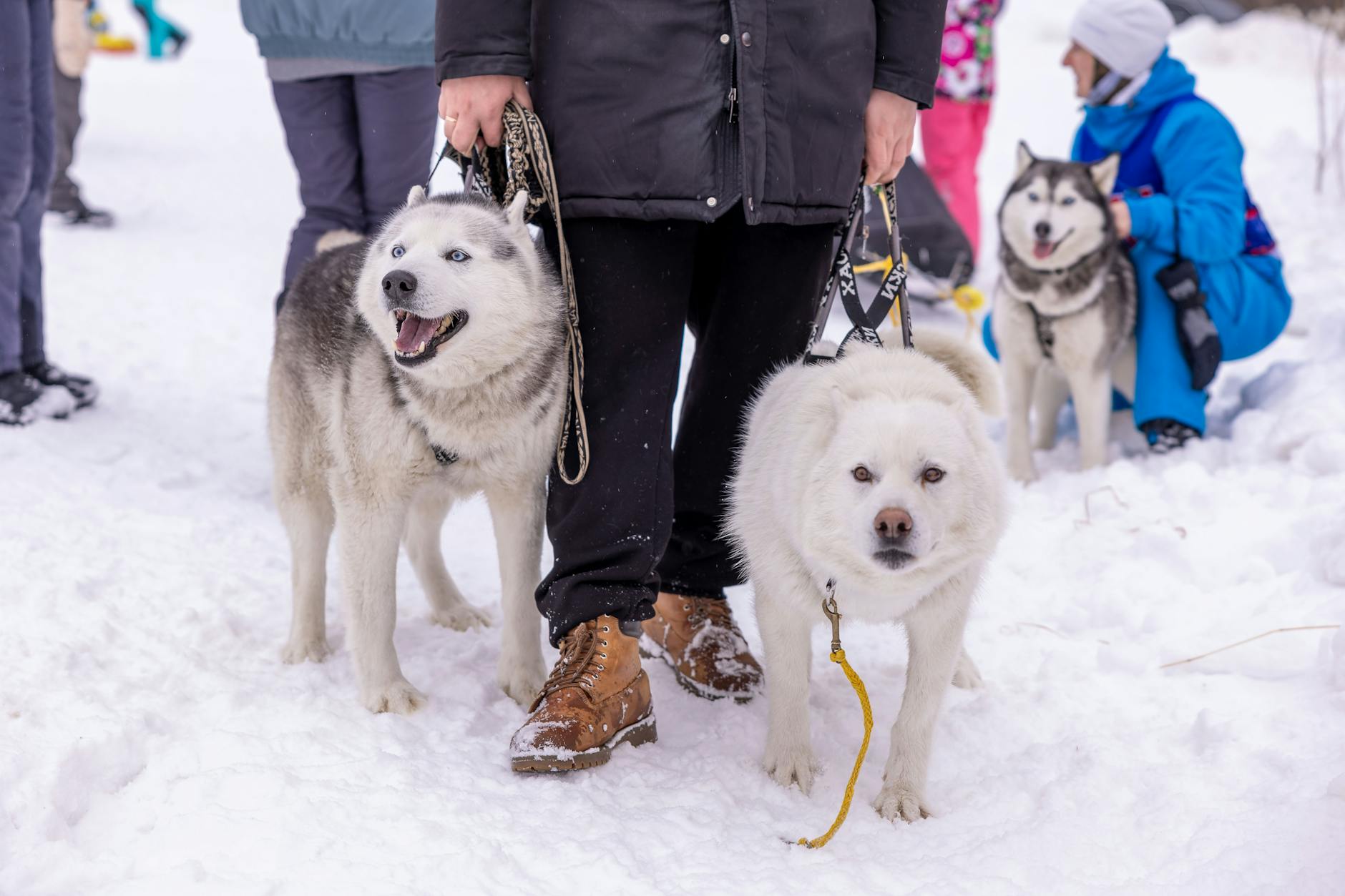
Comparison
Only manufacturer-published figures appear below. Blank cells mean the manufacturer does not publish that figure, or we could not reach a page that does. Almost no dog boot maker publishes a per-boot weight, so the weight column that used to sit here has been removed rather than estimated.
| Product | Best for | Outsole (per manufacturer) | Closure | Sizes |
|---|---|---|---|---|
| Ruffwear Grip Trex | Technical terrain | Non-marking Vibram, rugged lug design | YKK hydrophobic hook-and-loop cinch | Eight paw widths, 1.50-3.25 in |
| Ruffwear Summit Trex | General trail use | Non-marking rubber, not Vibram | Reflective webbing with YKK hook-and-loop cinch | Nine paw widths, 1.50-3.25 in |
| Original All Weather Muttluks | Maintained trails, comfort | Treated leather sole | Self-tightening straps with stretch cuff | Eight sizes, Itty Bitty to XXL |
| Wagwear WagWellie Mojave | Dogs prone to chafing | Thin rubber sole, not verified | Single hook-and-loop | Not verified, check seller chart |
| Neo-Paws traction pads | Dogs that refuse boots | Adhesive pad, not a boot | Adhesive | Not verified, check seller chart |

Buyer’s Guide: Choosing the Best Dog Boots
Traction Requirements by Terrain
Technical rock and mixed terrain: Vibram outsoles (Ruffwear Grip Trex, Polar Trex) consistently outperform alternatives according to user reports. The compound and lug pattern provide confidence on slick surfaces where falls risk injury.
Maintained dirt trails: the Ruffwear Summit Trex covers this at lower cost than the Grip Trex. Ruffwear specifies a non-marking rubber outsole rather than Vibram, which is the trade-off you are making.
Light trail use: the treated leather sole on the Muttluks handles packed dirt and easy terrain. Limited technical capability, but sufficient for casual walking and maintained paths.
Durability vs. Occasional Use
If you hike most weekends, the sturdier boots are easier to justify on cost per outing. Owners generally report the Ruffwear boots outlasting budget alternatives, though no manufacturer publishes a service-life figure.
Occasional users (monthly or less) often find budget options adequate. The durability difference matters less when annual usage stays low, making alternatives like Muttluks attractive for cost-conscious hikers.
Budget Breakdown: When Premium Is Worth It
Spend up when: you hike regularly, the terrain includes rock or scree, your dog has had paw injuries, or you need one boot across seasons. That is the case for the Vibram-soled Grip Trex.
Middle ground: most weekend hikers land here. The Summit Trex and the Muttluks cover general trail use without the Grip Trex price.
Buy cheap when: use is light, terrain is easy, or you are testing whether your dog will tolerate boots at all before committing.
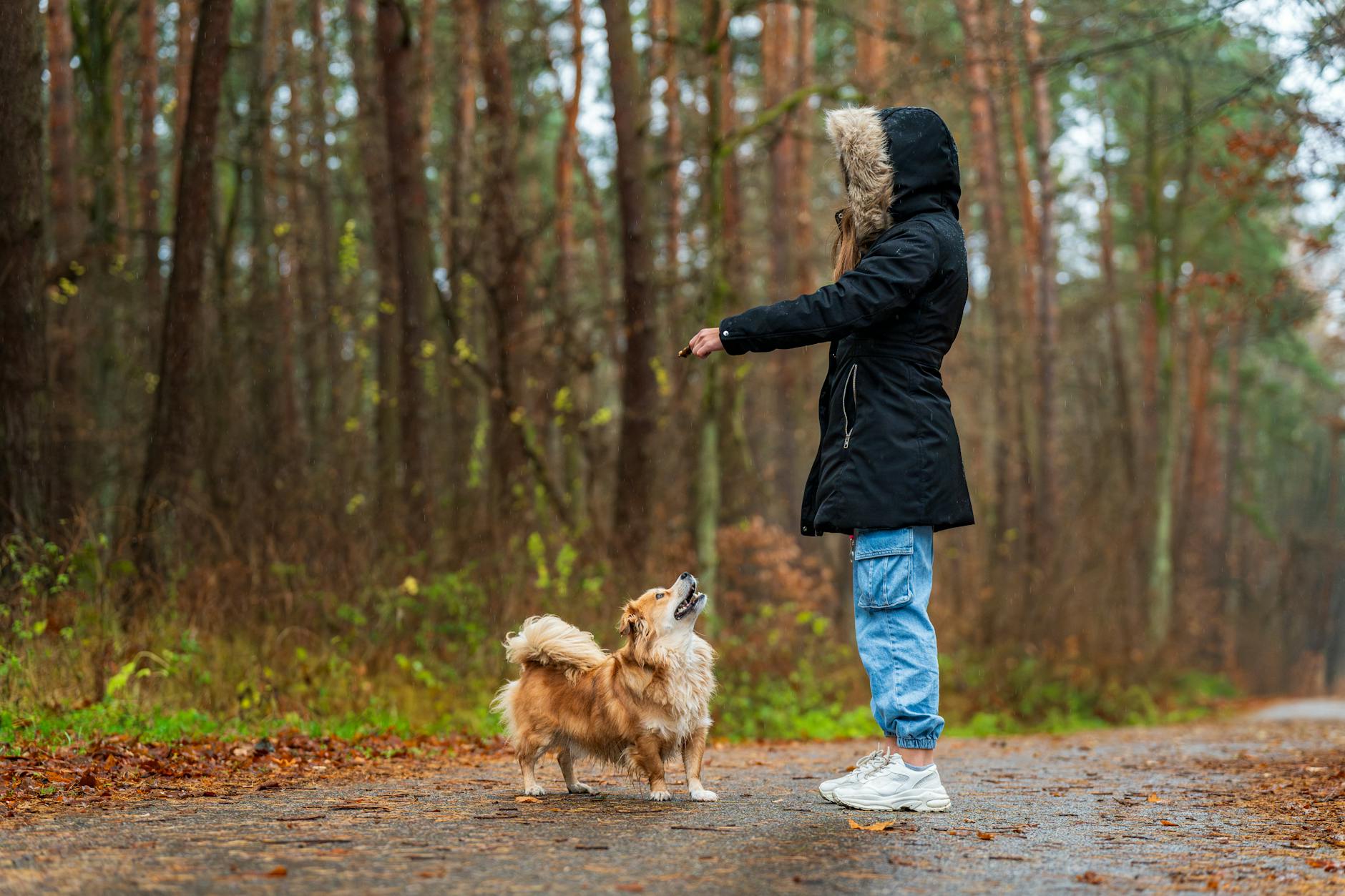
How to Get Dogs Used to Wearing Boots
Training Timeline for Resistant Dogs
Owners generally report dogs adapting over one to two weeks with gradual introduction. Start with short indoor sessions and extend as acceptance grows, at the dog’s pace rather than to a schedule.
Positive reinforcement consistently speeds adaptation according to trainer recommendations. Treats and praise during initial wearing sessions create positive associations that overcome initial resistance.
Users report patience is critical. Forcing extended wear too quickly often creates lasting boot aversion that’s difficult to reverse.
Signs of Proper Fit
Secure but not tight: Users consistently recommend snug fit without circulation restriction. You should fit one finger between strap and leg comfortably.
Natural gait maintenance: Properly fitted boots allow normal walking patterns. Excessive lifting, shaking, or altered movement indicates fit issues requiring adjustment.
No rubbing marks: Check for redness or irritation after initial wear sessions. Persistent marking indicates pressure points that need addressing through sizing or strap adjustment.
Maintenance and Care Tips
Cleaning Different Materials
Synthetic boots (Ruffwear): Machine washing on gentle cycle consistently maintains appearance and function according to user reports. Air dry to prevent material degradation from heat.
Leather options (Muttluks): Users recommend leather conditioner every 3-4 months to maintain water resistance and flexibility. Basic cleaning with damp cloth handles most trail dirt.
Mesh construction (WagWellie): Hand washing prevents mesh damage while thoroughly removing debris. Users report machine washing reduces breathability over time.
When to Replace Boots
Sole wear indicators: Visible tread reduction or exposed sole material signals replacement need. Users typically see 18-24 months from quality boots with regular use.
Strap degradation: Velcro loss of grip or visible strap fraying compromises security. These often fail before sole wear in high-use scenarios.
Fit changes: Dogs’ paws can change size seasonally or with age. Annual fit checks prevent performance issues from gradual size shifts.
Frequently Asked Questions
Do vets recommend dog boots for hiking?
Boots are commonly recommended for protection against sharp rock, hot pavement, ice and de-icing salt. Healthy dogs also develop pad toughness through regular activity, so boots are optional on moderate terrain in good conditions. For pavement, use the back-of-hand test rather than a temperature threshold: if you cannot hold your hand on the surface comfortably, it is too hot for paws.
What dog boots actually stay on during hikes?
Retention comes down to two things: correct sizing and closure design. Ruffwear specifies a YKK hydrophobic hook-and-loop cinch closure on both the Grip Trex and Summit Trex, and Muttluks pairs self-tightening straps with a stretch cuff that grips above the paw. We have seen no independent retention-rate data for dog boots, so be sceptical of any guide quoting percentages, including the ones this page used to quote.
Are expensive dog boots worth the price difference?
For regular hikers, the sturdier boots are easier to justify on cost per outing. Owners generally report the Ruffwear boots outlasting budget options, though no manufacturer publishes a service-life figure, so treat any specific month count you see as an estimate rather than data.
How long do quality dog boots last compared to cheaper options?
No manufacturer in this category publishes a service-life figure, and we have found no independent testing that measures one. Owners consistently report the Ruffwear boots outlasting budget alternatives, but the specific month counts quoted around the web, including in earlier versions of this guide, are not traceable to any source.
What’s the difference between hiking dog boots and regular dog shoes?
Hiking boots feature aggressive tread patterns, reinforced construction, and secure closure systems designed for trail use. Regular dog shoes typically use smooth soles, lighter materials, and focus on weather protection rather than traction performance.
How do I know if dog boots fit properly?
Proper fit allows one finger between strap and leg, maintains natural gait patterns, and shows no rubbing marks after wear. The boot should be snug enough to stay secure but not restrict circulation. Most dogs adapt within 1-2 weeks if fit is appropriate.
Can dogs wear boots all day during long hikes?
Check under the boots periodically on a long day, both for rubbing and for trapped grit, and remove them at rest stops. Individual tolerance varies a lot between dogs, so watch your own dog rather than following a fixed interval.
How much should I spend on dog boots for weekend hiking?
Buy on fit and outsole rather than on a price bracket. If your terrain includes rock, the Vibram-soled Grip Trex is worth the extra. If it does not, the Summit Trex or the Muttluks will do the job for less.
Our Final Recommendation
If we could recommend only one boot for weekend hikers, it would be the Ruffwear Grip Trex. The reason is concrete rather than vague: it is the only boot here whose outsole compound the manufacturer names, a non-marking Vibram with a rugged lug design, and it comes in eight paw widths so you can actually get the fit right.
The price looks steep next to generic boots, and the fit range is the practical justification: a boot that stays on is the only boot that protects anything.
For general trail use at lower cost, the Ruffwear Summit Trex shares the closure design but swaps the Vibram for a plain non-marking rubber outsole. For dogs with comfort sensitivities on easier terrain, the Original All Weather Muttluks use a soft nylon upper over a treated leather sole.
The key is matching your actual hiking patterns to boot capabilities. Don’t overpay for features you won’t use, but don’t compromise on basics like traction and durability that directly impact trail safety and enjoyment.
Related Guides
- Best Dog Boots for Hiking: Specialized trail performance guide focusing on technical terrain requirements
- Best Dog Boots for Hot Pavement: Summer protection essentials for urban and desert hiking