
This post contains affiliate links. If you purchase through these links, we may earn a small commission at no extra cost to you. This helps support our independent research.
Winter gear for a dog is judged on materials, fit and coverage, not on a headline number. This guide sets out what each manufacturer actually publishes for its winter coats and boots, corrects several specifications that were previously wrong on this page, and flags the products whose makers no longer list them.
How to read this guide: we do not test products. Every specification below is taken from the manufacturer’s own published page and attributed, or flagged as unpublished. Where an earlier version of this article carried a figure we could not trace to the manufacturer, we have removed it rather than repeat it.
On temperature ratings: this is the single most important correction on this page. None of the manufacturers covered here publishes a temperature rating in degrees for these garments. Ruffwear, Hurtta and Muttluks all publish materials, insulation weights and sizing, and none of them publishes a “safe down to X degrees” figure. Earlier versions of this article carried such ratings for every coat. They were not manufacturer figures and they have been removed. Treat any “rated to X degrees” claim for a dog coat, wherever you see it, with suspicion, and judge cold exposure from your own dog in front of you rather than from a number on a product page.
Disclosure: This article contains affiliate links. If you buy through our links, we earn a small commission at no extra cost to you. We only recommend gear that meets our research criteria.
Quick Picks: What the Manufacturers Publish
Best documented waterproof shell: Ruffwear Vert – Waterproof 70D nylon ripstop with a 10,000 mm waterproof rating, 120 g recycled polyester insulation, leash portal, six sizes
Most insulation, packs into itself: Ruffwear Quinzee – 250 g recycled polyester insulation, 75D polyester shell with DWR, integrated stuff sack, leash portal
Coat and harness in one: Ruffwear Overcoat Fuse – 640 denier polyester shell, 120 g insulation, integrated harness with aluminium V-ring and chest attachment point
Boots for snow and ice: Muttluks Snow Mushers – Fleece-lined winter boots with rubber traction soles, sold two boots per package
How We Compared This Gear
We went to each manufacturer’s own product page and recorded the shell material and denier, insulation weight, published waterproof rating, sizing basis and size range, and any temperature guidance. Where the manufacturer’s page was unreachable, or the product no longer appears in the manufacturer’s catalogue, we say so in that product’s entry.
Doing this surfaced several problems with the previous version of this page, which we have corrected below: fabric specifications that did not match the manufacturers’ own figures, a pull-strength rating that no manufacturer publishes, boots described as insulated and waterproof that their maker describes as neither, two products that their manufacturers no longer list, and temperature ratings throughout that no manufacturer publishes. Owner-reported percentages and review counts that appeared here previously could not be traced to any source and have been removed.
Winter Coats
Ruffwear Vert
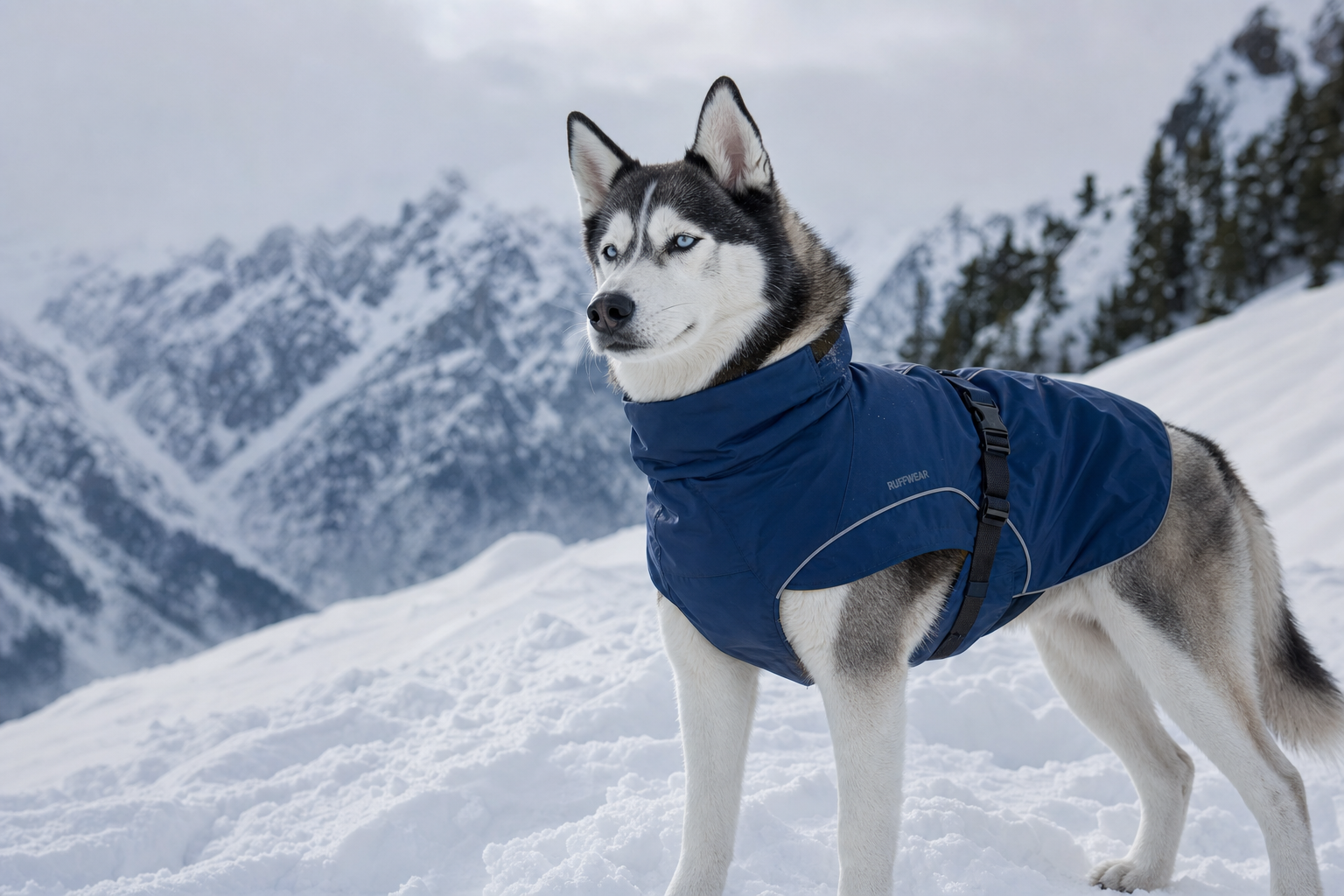
Best for: Wet winter conditions where the shell has to keep working
Ruffwear sells this as the Vert waterproof insulated vest, and it is the best-documented waterproof option here. The shell is “waterproof 70D nylon ripstop (10,000 mm WP rating) with nonfluorinated DWR and PU coating”, insulation is “120 g post-consumer recycled polyester”, and the lining is “30D polyester with nonfluorinated DWR”. Hardware is ITW Nexus Waveloc side-release buckles and a YKK reverse coil zipper with a locking slider.
Correction: this page previously described the Vert as having a 100 percent polyester ripstop shell and a temperature rating of 15°F. The shell is nylon, not polyester, and Ruffwear publishes no temperature rating. The 10,000 mm waterproof rating above is the real, published number, and it is a more useful one.
Sizing: six sizes by girth. XXSmall 13-17 in, XSmall 17-22 in, Small 22-27 in, Medium 27-32 in, Large 32-36 in, XLarge 36-42 in. Ruffwear does not publish a garment weight per size.
Harness compatibility: Ruffwear states there is a “leash portal on back so it can be worn over most harnesses”.
For overnight winter trips, pair the jacket with a soft-sided dog crate for stable indoor recovery between days. Ruffwear Vert
Ruffwear Quinzee Insulated Jacket
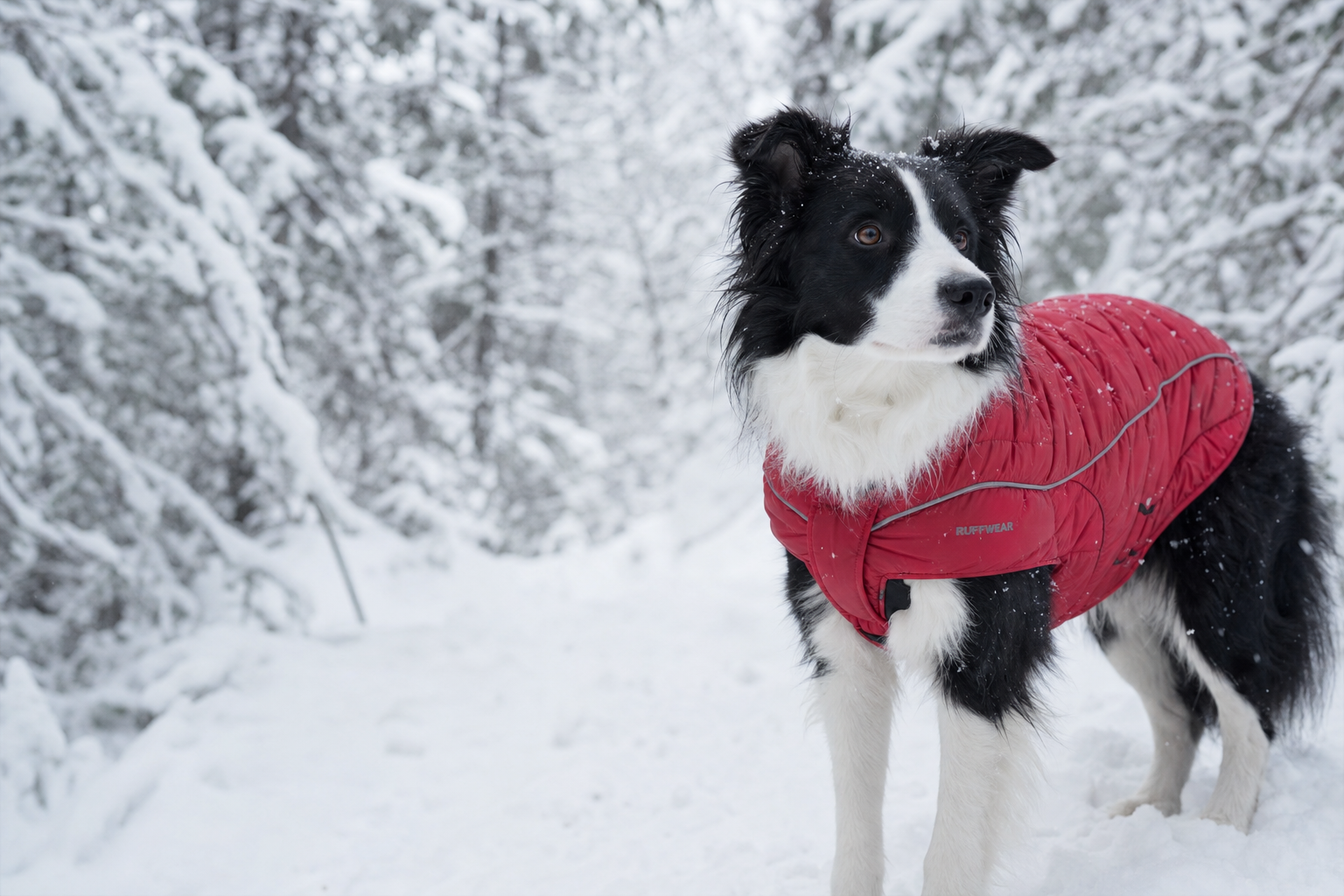
Best for: Warmth that packs down, for rest stops and camp rather than sustained wet
The Quinzee carries the most insulation of the Ruffwear pieces here at “250 g post-consumer recycled polyester”, under a “75D polyester with DWR” shell that is bluesign approved. It has an “integrated stuff sack for compact and easy stow” and a “leash portal on back fits over most harnesses”.
Correction: this page previously listed a 40D ripstop nylon shell, 80 g insulation, a 1,500 mm waterproof rating and a 25°F temperature rating, and built a durability criticism around the 40D figure and a wet-weather criticism around the 1,500 mm figure. None of those numbers is Ruffwear’s. The shell is 75D polyester, insulation is 250 g, and Ruffwear publishes neither a waterproof rating in millimetres nor a temperature rating.
What Ruffwear does say about weather is limited and worth taking literally: the “lightweight shell fabric sheds light moisture”. That is a water-shedding claim, not a waterproof one. For sustained rain or wet snow, the Vert is the piece with the published waterproof rating.
Sizing: six sizes by girth, XXS 13-17 in through XL 36-42 in, matching the Vert.
Ruffwear Quinzee Insulated Jacket
Ruffwear Overcoat Fuse
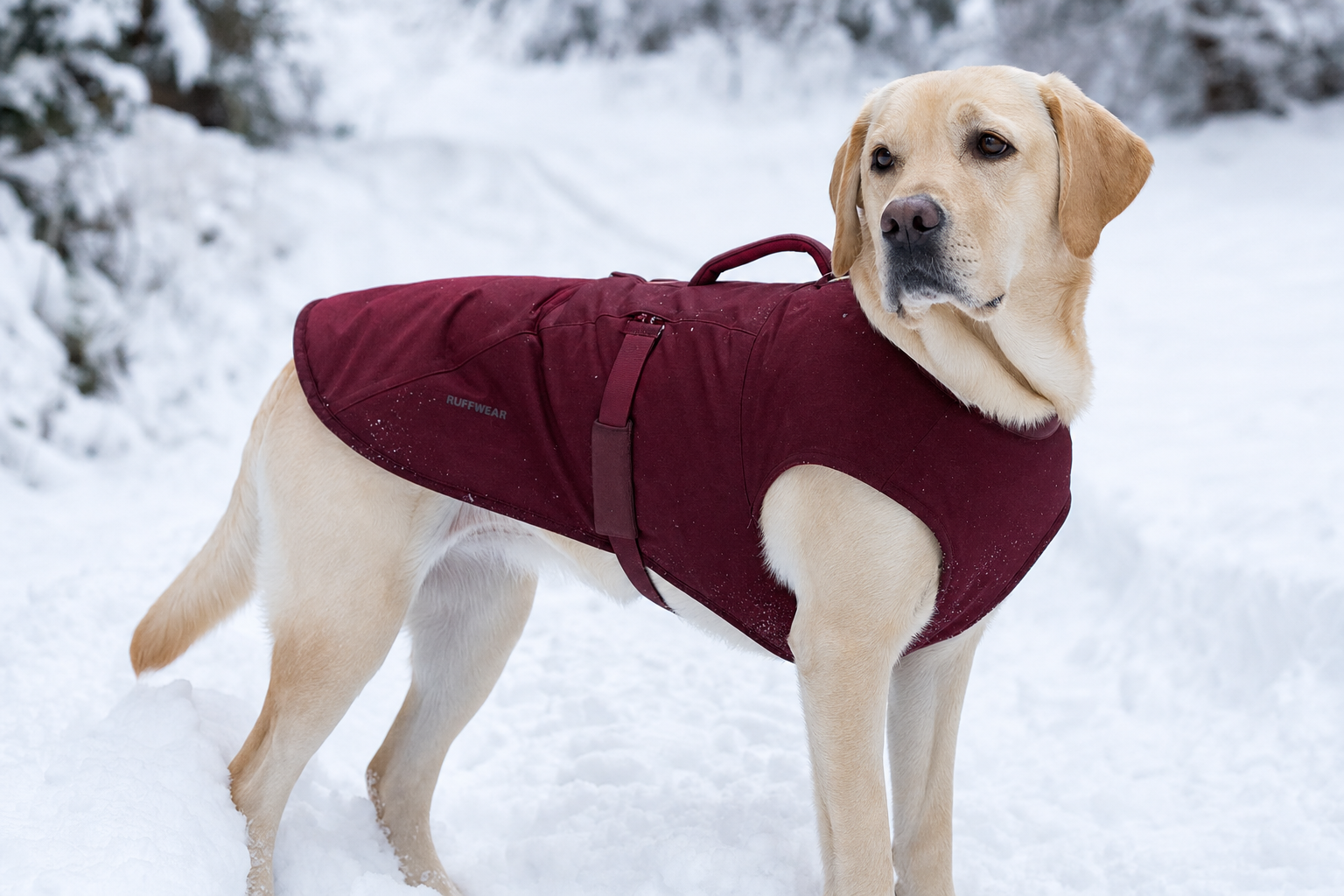
Best for: Cutting a layer out of the system by combining coat and harness
Ruffwear describes the Overcoat Fuse as “a rugged two-in-one harness-vest combo for cold-weather exploration”, with an integrated harness offering front and back attachment points. The shell is 640 denier polyester with a PFAS-free water-repellent finish, insulation is 120 g recycled polyester, and the lining is fleece containing 30 percent recycled polyester. Hardware is ITW Nexus side-release buckles with an anodised aluminium V-ring on the back and a webbing loop on the chest.
Safety correction, worth reading if you saw the earlier version of this page. This article previously stated that the integrated V-ring is “rated for 300 lbs pull strength”. Ruffwear publishes no pull-strength or load rating for this vest, and that figure should not have been here. Do not choose a restraint on the basis of a load rating you have seen quoted in an article, including this one. If you need a rated attachment point for a strong dog, ask the manufacturer directly what they certify.
Sizing: six sizes by girth, XXSmall 13-17 in through XLarge 36-42 in.
Kurgo North Country Dog Coat: no longer listed by Kurgo
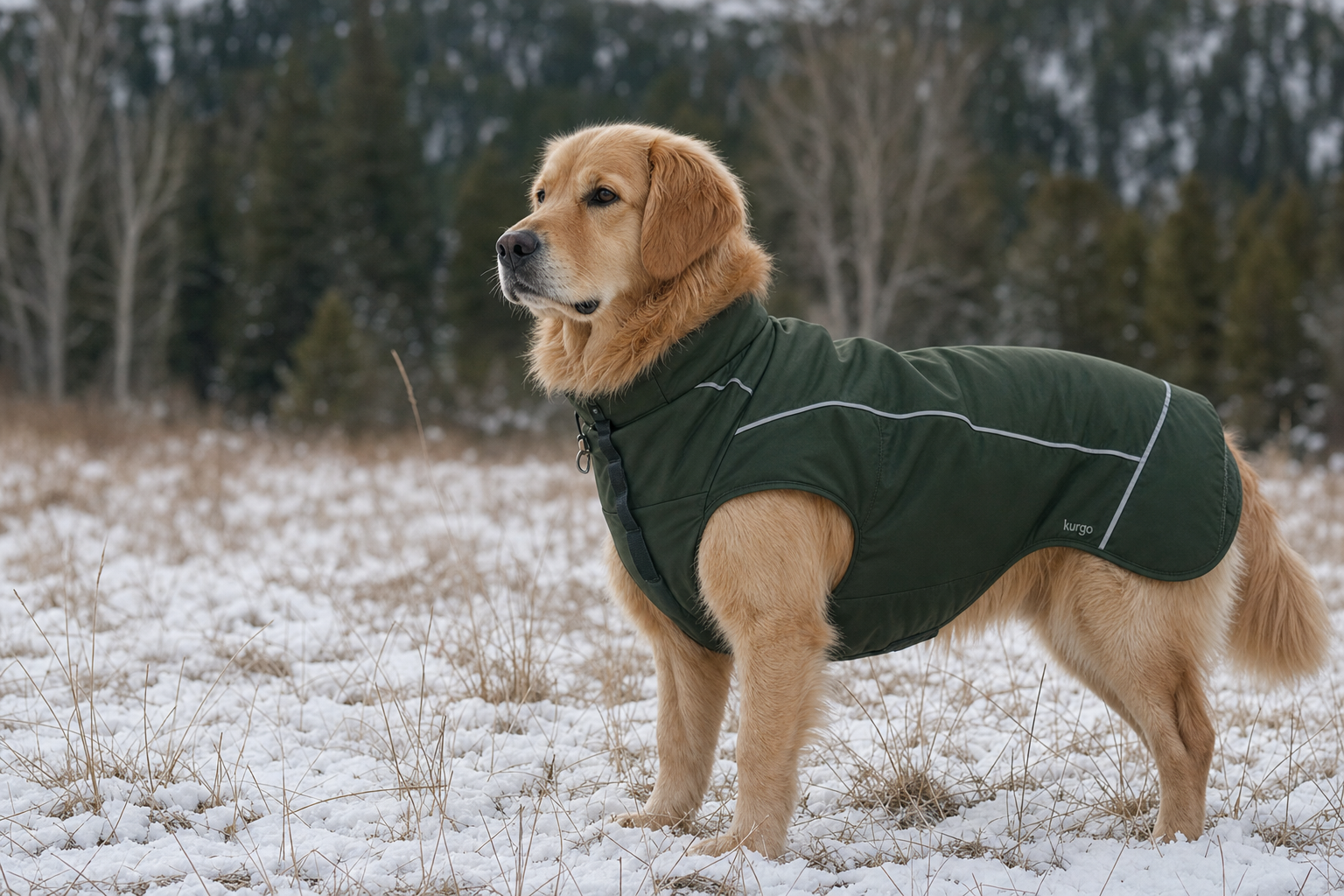
At the time of writing, the North Country Dog Coat no longer appears in Kurgo’s dog coat range, and its former product address redirects to Kurgo’s dog coats category page. Kurgo’s current coat line-up includes the Loft Dog Jacket, Core Sweater, Stowe Base Layer, Halifax Rain Shell and On-Trail Run-Lite Vest.
Correction: this page previously carried detailed specifications for the North Country, including a 600D polyester ripstop shell, a three-point adjustment system, a 10 to 30 inch back-length size range and a 20°F rating. We cannot verify any of those against Kurgo, and the temperature rating in particular was not a Kurgo figure. They have been removed.
If you find remaining stock, confirm the specification and warranty position with the seller. If you want a current Kurgo winter coat, go to Kurgo’s own coat range and compare there.
See Current Kurgo Coats on Amazon
Hurtta Summit Parka: not found in Hurtta’s current range
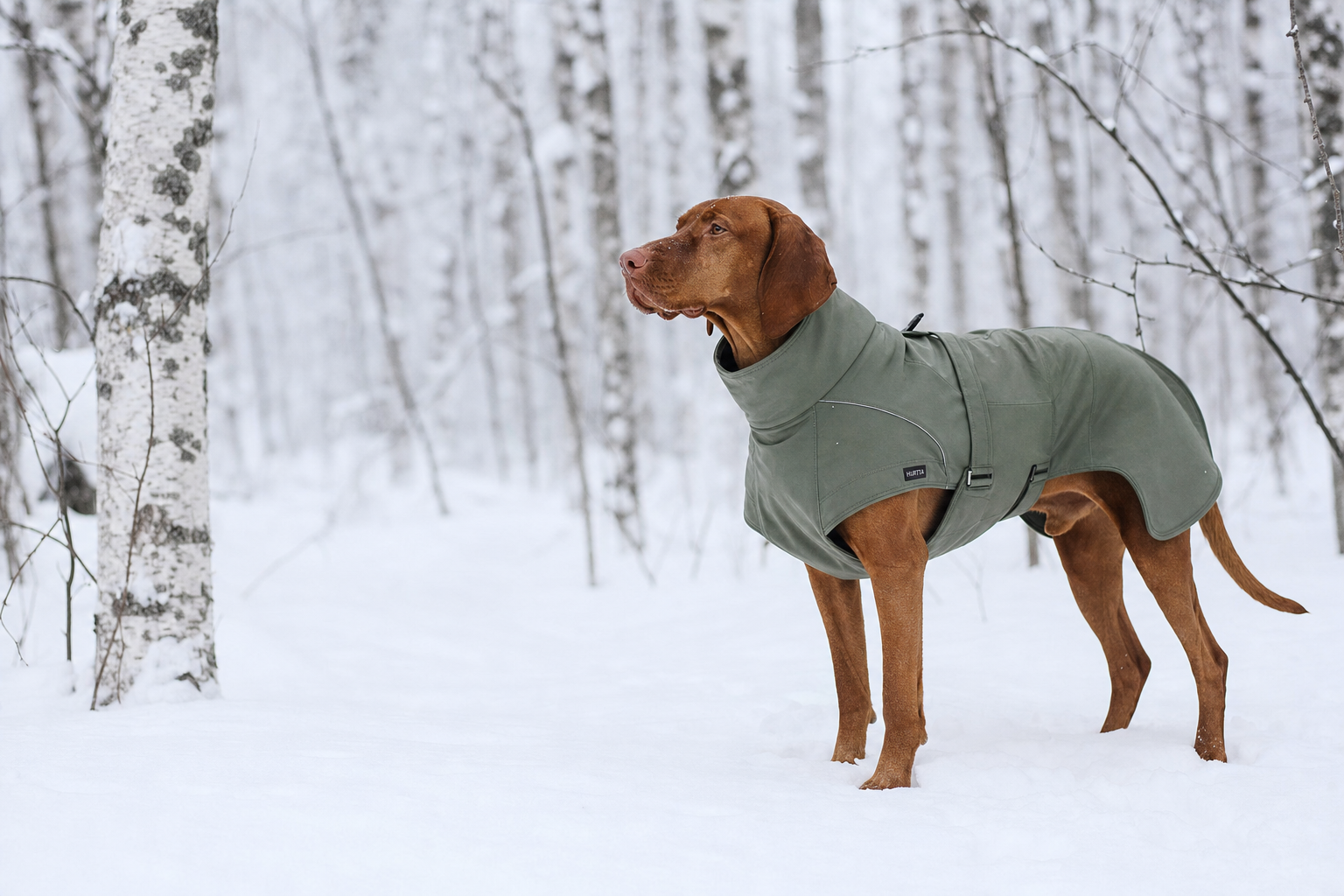
We could not find a Summit Parka in Hurtta’s current published catalogue. The Hurtta winter parka listed today is the Expedition II, covered below.
Correction: this page previously described the Summit Parka as a three-layer soft shell with 100 g insulation, rated to 10°F, and called it “Estonian design”. Hurtta is a Finnish company, not Estonian, no temperature rating is published, and we cannot trace the construction details to Hurtta. All of it has been removed.
If your dog is short-coated and you are shopping for maximum coverage, compare Hurtta’s current range directly against the Ruffwear Vert’s published waterproof rating and the Quinzee’s published insulation weight, since those are figures you can actually check.
Carhartt Chore Insulated Dog Coat
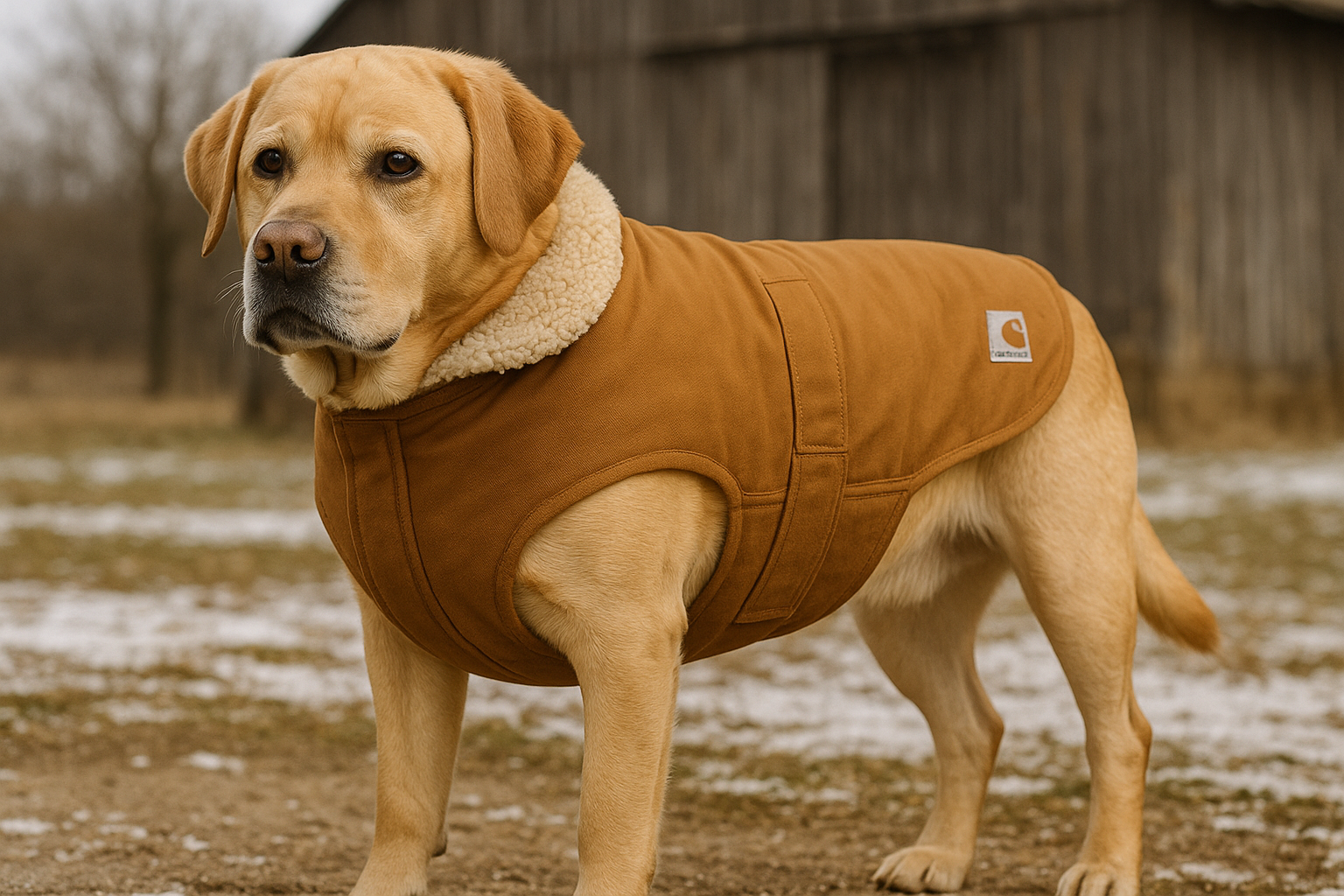
Best for: Abrasive, high-wear conditions where durability beats packability
Carhartt applies its workwear approach to a dog coat, with a cotton duck shell, insulation, adjustable chest and belly straps and a sherpa-trimmed neckline.
Published specifications: we could not reach Carhartt’s product page at the time of writing, so we are not quoting a duck weight, a garment weight, a size range or a temperature rating. This page previously carried figures for all of those. Check the current specification on the listing before buying.
One material point that does not need a spec sheet: cotton duck absorbs water and takes considerably longer to dry than synthetic shells. That is a real trade-off on multi-day trips in wet weather, whatever the exact figures.
Hurtta Expedition Parka II
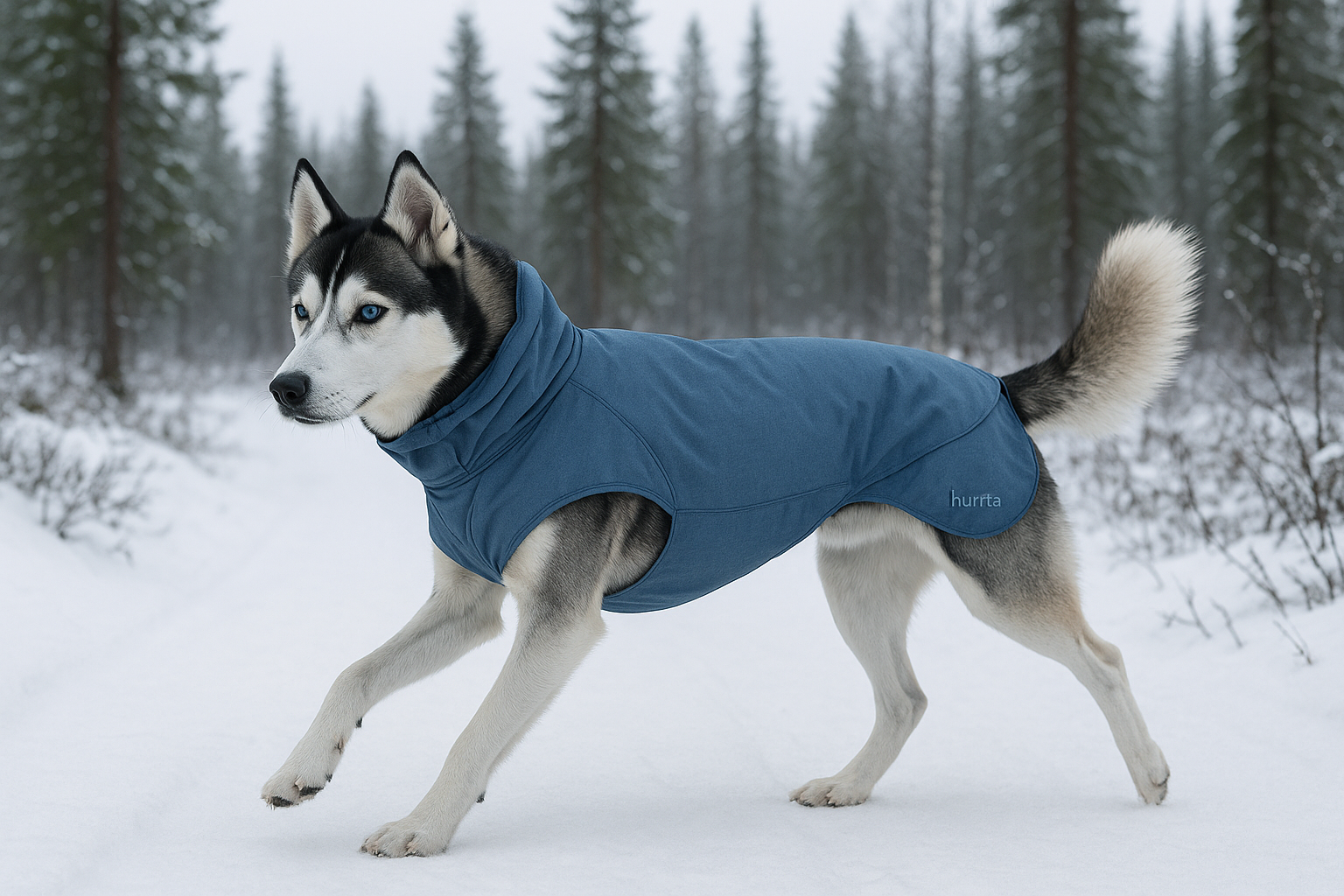
Best for: Cold-weather coverage from a manufacturer that designs for Nordic winters
Hurtta, a Finnish company, currently lists this as the Expedition II winter jacket, describing it as a soft parka jacket that works across weather conditions, with the updated version offering increased mobility, improved weather resistance and a refined colour palette.
Correction: this page previously described a four-layer construction with 120 g insulation and a rating for temperatures below 0°F, based on “manufacturer testing”. Hurtta publishes no temperature rating in degrees for this jacket, and we could not retrieve the layer or insulation figures from Hurtta. They have been removed. The product name has also been updated to Expedition II.
Check Hurtta’s own size guide before ordering, since Hurtta sizes differently from the US brands here.
Winter Boots
Ruffwear Summit Trex
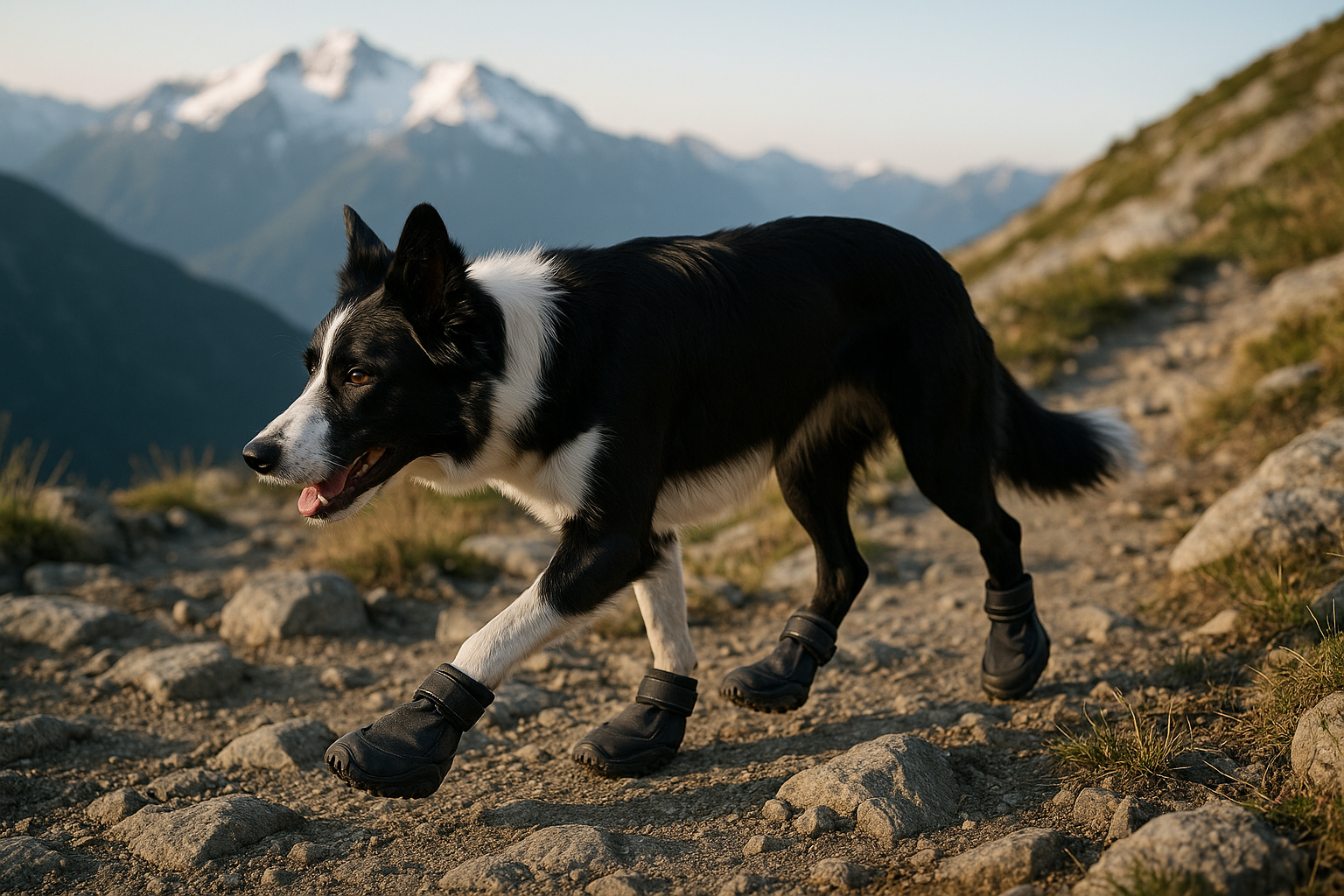
Important correction before you buy these for winter. This page previously presented the Summit Trex as insulated and waterproof and recommended them as the best winter boot. Ruffwear does not describe them as insulated, and describes them as weather-resistant rather than waterproof. If you need insulation for cold, these are not the boot for it, and the earlier recommendation on this page was wrong.
Published specifications: the upper is “150D polyester with nonfluorinated DWR and PU coating” and is bluesign approved, the cuff is styrene-butadiene rubber, the outsole is non-marking rubber, and the closure uses reflective polyester webbing with YKK hydrophobic hook-and-loop. Ruffwear publishes no temperature rating.
Sizing: eight sizes by paw width, from 1.50 in to 3.25 in in quarter-inch steps. Ruffwear’s instruction is to “measure across widest part of the paw when bearing weight”, and to measure all paws, since front and rear paws often differ. Note that the previous version of this page gave the range as up to 4.75 inches, which is wider than any size Ruffwear makes.
What they do offer is abrasion protection and traction on mixed ground, which is a real need on rocky winter trails even without insulation. For general paw protection across seasons they are a reasonable choice. For deep cold, look at an insulated or fleece-lined boot instead.
Muttluks Snow Mushers
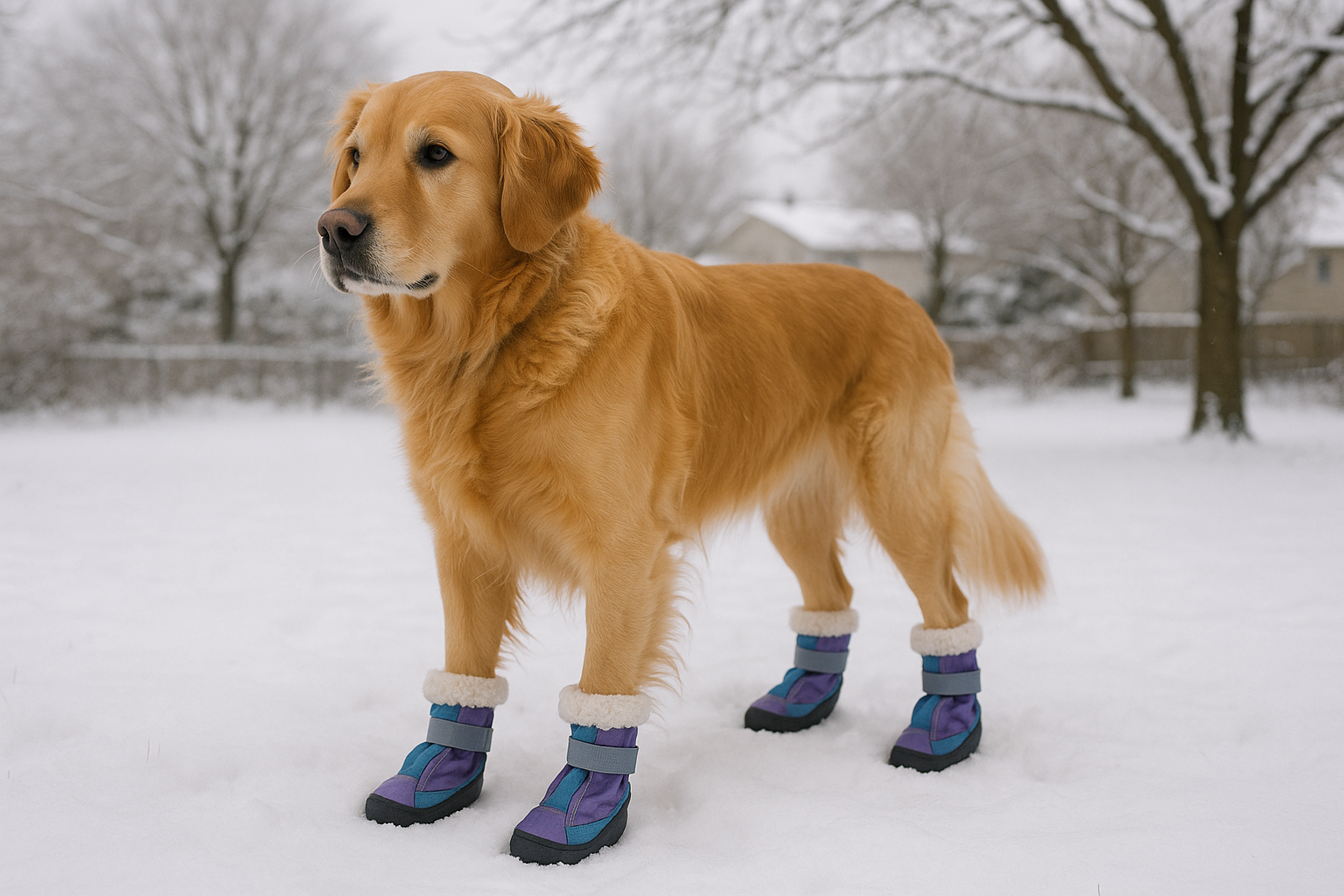
Best for: Cold-weather paw protection where you want a fleece-lined boot
Muttluks describes the Snow Mushers as rugged winter boots with a “fleece inner lining for cozy winter use”, “flexible rugged rubber soles with traction treads”, an extra-large opening for easy fitting, a double-wrap fastening system, an elastic soft-cinch fastening designed to be gentle on dew claws, and reflective accents.
Check the quantity before you order. Muttluks sells these two boots per package. If you want all four paws covered, you need two packages. This is the single most useful thing to know before buying them and the previous version of this page did not mention it.
Correction: this page previously described a leather and rubber composite sole with an oil-tanned finish, a 1000D nylon shell, a 4 inch cuff height and insulation “rated to -20°F”. Muttluks describes rubber soles and a fleece lining, publishes no temperature rating, and we could not verify the leather, denier or height figures. The maintenance advice about conditioning leather components has been removed with them, since the sole Muttluks describes is rubber.
Sizing is by paw measurement. Use the manufacturer’s current size guide rather than converting from a size number you find elsewhere.
Comparison: What Each Manufacturer Publishes
Note the empty cells. They are the point of this table: where a manufacturer publishes nothing, we leave it blank rather than fill it with an estimate.
| Product | Shell | Insulation | Published waterproof rating | Sizing | Harness portal |
|---|---|---|---|---|---|
| Ruffwear Vert | 70D nylon ripstop, DWR and PU | 120 g recycled polyester | 10,000 mm | 6 sizes, girth 13-42 in | Yes |
| Ruffwear Quinzee | 75D polyester, DWR | 250 g recycled polyester | None published | 6 sizes, girth 13-42 in | Yes |
| Ruffwear Overcoat Fuse | 640D polyester, water-repellent | 120 g recycled polyester | None published | 6 sizes, girth 13-42 in | Integrated harness |
| Kurgo North Country | No longer listed by Kurgo | No longer listed | No longer listed | No longer listed | No longer listed |
| Hurtta Summit Parka | Not found in Hurtta range | Not found | Not found | Not found | Not found |
| Carhartt Chore Coat | Cotton duck, spec unverified | Insulated, weight unverified | None published | Check listing | No |
| Hurtta Expedition II | Spec not retrieved | Spec not retrieved | None published | Hurtta size guide | Check with Hurtta |
Breed and Body Type: Who Needs More Coverage
Coat type, body fat, size and age all change how a dog handles cold, and they interact. A lean short-coated dog loses heat faster than a heavy double-coated one at the same temperature, and a small dog loses heat faster than a large one because of the ratio of surface area to body mass. Puppies and old dogs regulate temperature less well than healthy adults.
We are not publishing temperature thresholds here. Earlier versions of this page gave specific cut-offs by coat type and dog size. Those numbers were not attributed to any veterinary source, and a wrong threshold in either direction causes harm: too high and you overheat a working dog, too low and you leave a vulnerable one out in conditions it cannot handle. Your vet knows your dog’s coat, body condition, age and health, and is the right source for where your dog’s limit sits. Our companion guide on how cold is too cold for dogs outside goes into the question in more depth.
What you can do without any number is read the dog. Shivering, lifting or favouring paws, slowing down, seeking shelter, whining or a reluctance to continue all mean the dog is telling you it has had enough. Act on that rather than on a thermometer.
Double-coated breeds
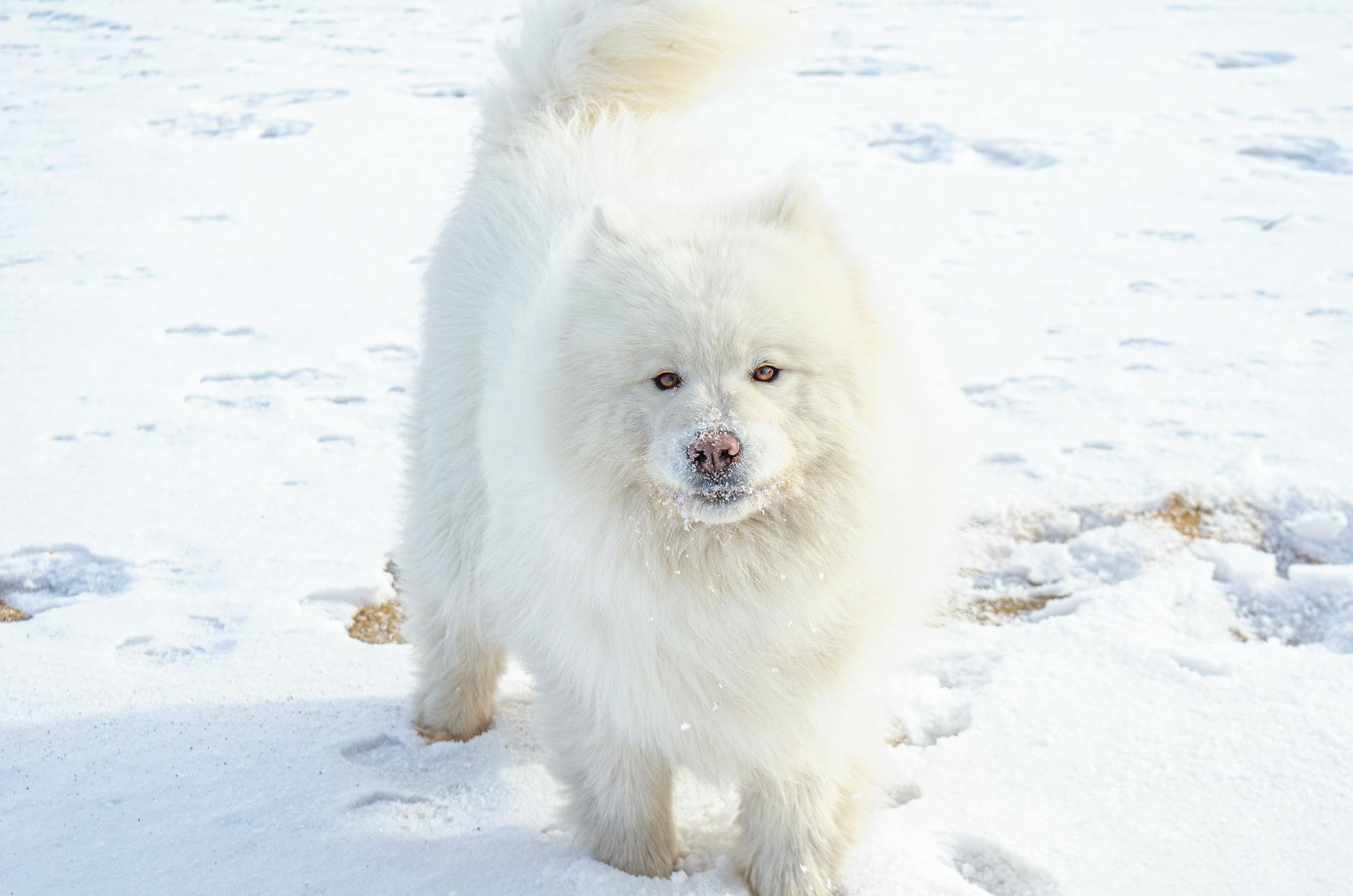
Huskies, Malamutes, German Shepherds and similar breeds carry their own insulation and often need less from a coat than owners expect. The bigger needs for these dogs are usually paw protection on ice and salt, and warmth when they stop moving, since a dog standing still at camp loses heat far faster than the same dog working.
Single-coated and lean breeds
Greyhounds, Whippets, Vizslas and many terriers have little coat and little body fat, and they benefit from full-coverage designs with good chest and belly protection. Look for coverage that extends under the body rather than a blanket that only covers the back.
Small dogs and large dogs
Small dogs lose heat quickly and benefit from coverage that reaches further down the body. Large dogs run into a different problem, which is fit: check the top of the girth range before ordering, since several of the coats here stop at a 42 inch girth.
Layering and Multi-Day Trips
Packing the system
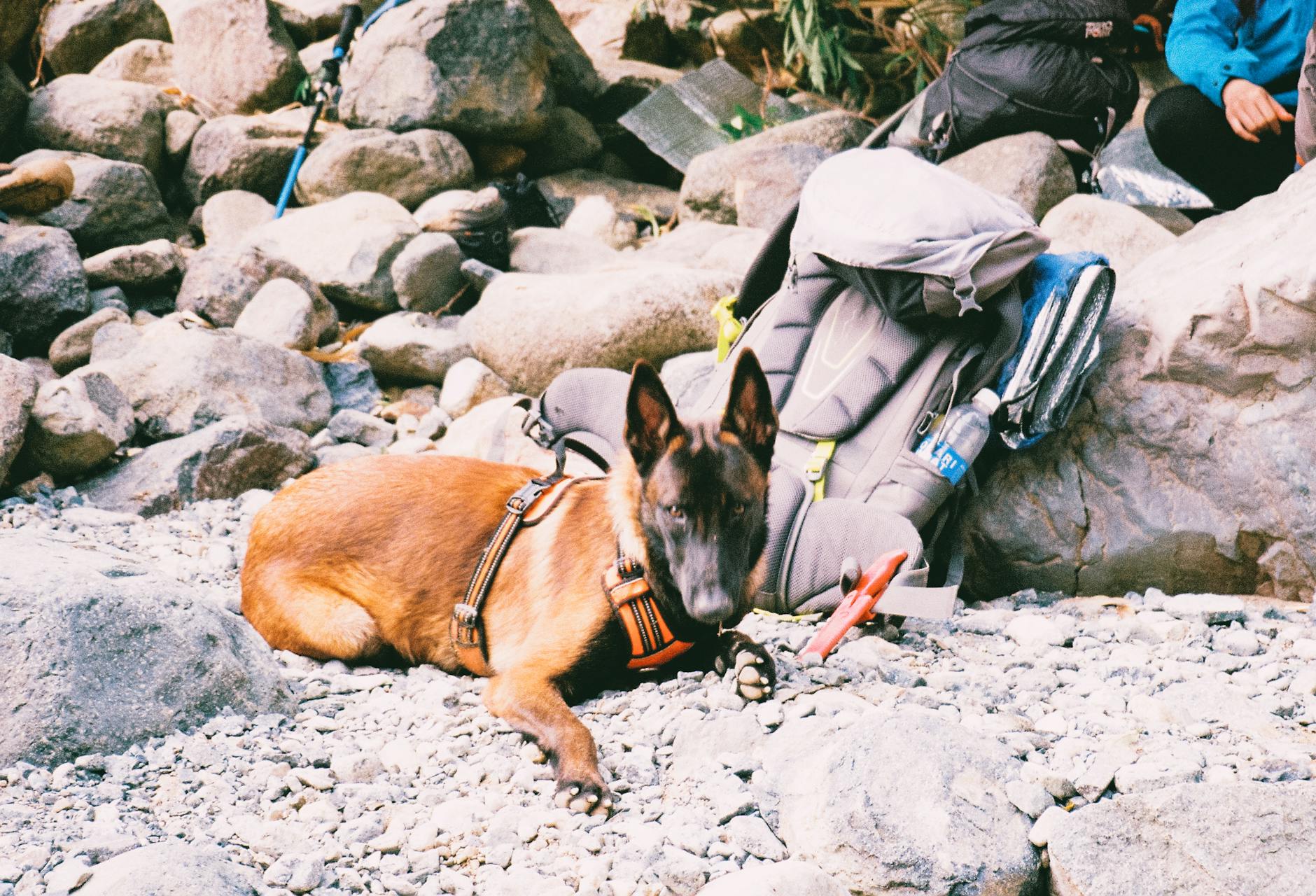
Manufacturers here largely do not publish garment weights, so if pack weight decides your kit, weigh the coat when it arrives. What you can plan from published figures is the split of jobs: the Vert is the piece with a published waterproof rating, the Quinzee is the piece with the most insulation and an integrated stuff sack, and the Overcoat Fuse removes a separate harness from the system.
Variable conditions
Winter days swing between a cold start, a warm working middle and a cold stop. A dog working hard in an insulated coat can overheat as readily as it can chill standing still. The practical approach is a shell that stays on and an insulating layer that comes off during sustained climbs and goes back on at rest stops, rather than one heavy coat for the whole day.
Harness compatibility
If your route needs a secure attachment point, decide the harness question before the coat question. Ruffwear publishes a leash portal on both the Vert and the Quinzee that fits over most harnesses, and the Overcoat Fuse builds the harness in. A coat with no portal worn over a harness bunches the fabric and creates pressure points, which is uncomfortable over a long day.
Buyer’s Guide
What to check on the spec sheet
Waterproof vs water-resistant. These are different claims and manufacturers use them carefully. A published millimetre rating, like the Vert’s 10,000 mm, is a measured figure. “Sheds light moisture”, the Quinzee’s wording, is not the same thing and is not meant to be.
Insulation weight. Where a maker publishes grams of fill, you can compare like with like. The Quinzee’s 250 g against the Vert’s and Overcoat Fuse’s 120 g tells you which piece is built for standing still.
Sizing basis. Most coats here size on girth, and boots size on paw width measured under load. Neither sizes on dog weight. Measure rather than estimate.
Temperature ratings. If a listing gives one, ask where it came from. None of the manufacturers in this guide publishes one.
Fit
Measure girth at the widest point behind the front legs, back length from the base of the neck to the base of the tail, and neck circumference. Leave room for a layer underneath if you plan to layer. The coat should cover the chest without restricting the dog’s stride, and should not be long enough to interfere with the rear legs.
Quality indicators
Good signs: named fabrics with a denier, a published insulation weight, named hardware such as YKK zips or ITW Nexus buckles, a published size chart with actual measurements, and clear care instructions.
Warning signs: a temperature rating with no explanation of how it was derived, sizing given only as small, medium and large with no measurements, a load or pull rating with no test standard named, and specifications that differ between the maker’s site and the retail listing.
Frequently Asked Questions
How do I know if my dog needs a winter coat?
It depends on your dog’s coat type, body condition, age, health and how hard it is working, and those interact in ways a single temperature cannot capture. Ask your vet where your dog’s limit sits. On any given day, read the dog: shivering, lifted paws, slowing down or seeking shelter mean it is time to add a layer or turn back.
Do dog coats have temperature ratings?
The manufacturers in this guide do not publish them. Ruffwear, Hurtta and Muttluks all publish materials, insulation weights and sizing, and none publishes a rating in degrees. If you see one quoted, treat it as an estimate by whoever wrote the listing rather than a manufacturer figure.
What is the difference between waterproof and water-resistant dog coats?
A waterproof garment has a measured rating, expressed in millimetres of water pressure the fabric resists. The Ruffwear Vert publishes 10,000 mm. A water-resistant garment uses a surface treatment that sheds light moisture and will wet through in sustained rain. Ruffwear describes the Quinzee’s shell as shedding light moisture and publishes no millimetre rating, which is the honest version of that distinction.
How should a winter dog coat fit?
Measure girth at the widest point behind the front legs, back length from neck base to tail base, and neck circumference, then match those to the manufacturer’s chart. Leave room for a layer underneath if you intend to layer. The coat should not restrict the stride or interfere with the rear legs.
Can dogs overheat in winter gear?
Yes. A dog working hard in an insulated coat can overheat even in cold air. Watch for panting beyond normal exertion, drooling, seeking out snow or shade, or slowing down. Take the insulating layer off during sustained climbs and put it back on at rest stops.
How do I care for winter dog gear?
Follow the manufacturer’s instructions for the specific fabric. As a general matter, water-repellent finishes are degraded by fabric softeners and some standard detergents, synthetic insulation needs to be dried thoroughly to keep its loft, and gear should be stored clean and dry. Check seams and closures at the start of each season.
Final Word
If you want a winter shell whose weather performance you can actually check before buying, the Ruffwear Vert is the best-documented option here, with a published 10,000 mm waterproof rating, a named shell fabric, a published insulation weight and a full size chart. For warmth at rest rather than in sustained wet, the Quinzee carries more than twice the insulation and packs into itself.
For paws, match the boot to the job. The Summit Trex gives abrasion protection and traction but is neither insulated nor waterproof by Ruffwear’s own description. The Muttluks Snow Mushers are fleece-lined for cold, and remember they come two to a package.
Above all, do not buy a winter coat on a temperature rating. No manufacturer here publishes one, and the dog in front of you is a better instrument than any number on a listing.