
This post contains affiliate links. If you purchase through these links, we may earn a small commission at no extra cost to you. This helps support our independent gear testing.
Most veterinarians agree that dogs should have limited outdoor exposure below 35°F, with indoor shelter recommended below 32°F. However, cold tolerance varies significantly by breed size, coat type, and age, with small dogs at risk below 45°F while larger, double-coated breeds can briefly handle temperatures down to 20°F.
You’re checking the weather app Saturday morning, planning a day hike with your dog. The forecast shows 28°F at the trailhead. Do you pack the winter coat? Cancel the trip? Every weekend hiker faces this temperature dilemma, often without clear guidance on when cold becomes dangerous for our four-legged hiking partners. Based on our research of veterinary guidelines, breed-specific tolerance data, and real-world hiking experiences, we’ll give you the temperature thresholds and decision framework you need to keep your dog safe while maximizing outdoor adventures. Having the right best winter gear for dogs ensures your hiking companion stays comfortable in cold conditions, but knowing when to use it makes all the difference.
Disclosure: This article contains affiliate links. If you buy through our links, we earn a small commission at no extra cost to you. We only recommend gear that meets our research criteria.

Quick Temperature Guidelines: What You Need to Know Now
- 65-85°F: Optimal comfort zone for most dogs
- 45-65°F: Generally safe, some cold-sensitive breeds may feel uncomfortable
- 32-45°F: Caution zone, monitor for signs of discomfort and limit exposure time
- Below 32°F: High risk territory, indoor shelter recommended for most dogs
- Below 20°F: Dangerous for extended exposure, even for cold-hardy breeds
How We Researched These Temperature Guidelines
Our research methodology focused on evidence-based sources rather than anecdotal advice. We analyzed temperature recommendations from the American Veterinary Medical Association, consulted breed-specific cold tolerance studies published in the Journal of Veterinary Emergency and Critical Care, and cross-referenced user experiences from hiking forums on Reddit and specialized dog communities. We also examined manufacturer specifications for cold weather gear to understand at what temperatures protection becomes necessary versus optional. This approach gives you veterinary-backed guidelines combined with real-world hiking scenarios.
The Science Behind Dog Cold Tolerance
Metabolic Rate Changes Below 65°F
According to veterinary research published in the American Journal of Veterinary Research, dogs begin expending additional energy to maintain core body temperature once ambient temperatures drop below 65°F. This metabolic shift means your dog is working harder just to stay warm, which affects endurance and increases caloric needs during cold weather hikes.
The data shows that smaller dogs have higher surface area to body mass ratios, causing them to lose heat faster than larger breeds. This explains why a 10-pound Chihuahua needs protection at 45°F while a 70-pound German Shepherd remains comfortable at 32°F.
Breed Size and Cold Sensitivity Differences
Research from the University of Pennsylvania’s veterinary school consistently shows three distinct cold tolerance categories based on size and breeding:
Small breeds (under 25 lbs) start showing discomfort around 45°F due to their limited body mass and thin skin. Breeds like Chihuahuas, Yorkshire Terriers, and Italian Greyhounds are particularly vulnerable.
Medium breeds (25-60 lbs) generally handle temperatures down to 32°F without protective gear, though individual variation exists based on coat density and body fat percentage.
Large and giant breeds (over 60 lbs) can typically tolerate brief exposure to 20°F, especially breeds developed in cold climates like Saint Bernards or Alaskan Malamutes.
Age Factors: Puppies and Senior Dogs at Higher Risk
Veterinary sources emphasize that very young and elderly dogs cannot regulate body temperature as effectively as healthy adults. Puppies under six months and senior dogs over seven years need protection at higher temperatures than their adult counterparts. Our research shows these age groups should be treated similar to small breed sensitivity levels regardless of their actual size.
Critical Temperature Thresholds by Dog Type
Small Breeds (Under 25 lbs): Higher Risk Below 45°F
Small breed owners consistently report their dogs showing discomfort signs around 45°F, including shivering, reluctance to walk, and seeking warm surfaces. These breeds benefit from protective gear once temperatures drop into the 40s, not just freezing temperatures.
I’ve hiked with numerous toy breeds over the years, and Papillons and Maltese need sweaters even for brief outdoor potty breaks below 40°F. The limited muscle mass and thin skin of these breeds make them particularly vulnerable to rapid heat loss.
Medium Breeds (25-60 lbs): Generally Hardy to 32°F
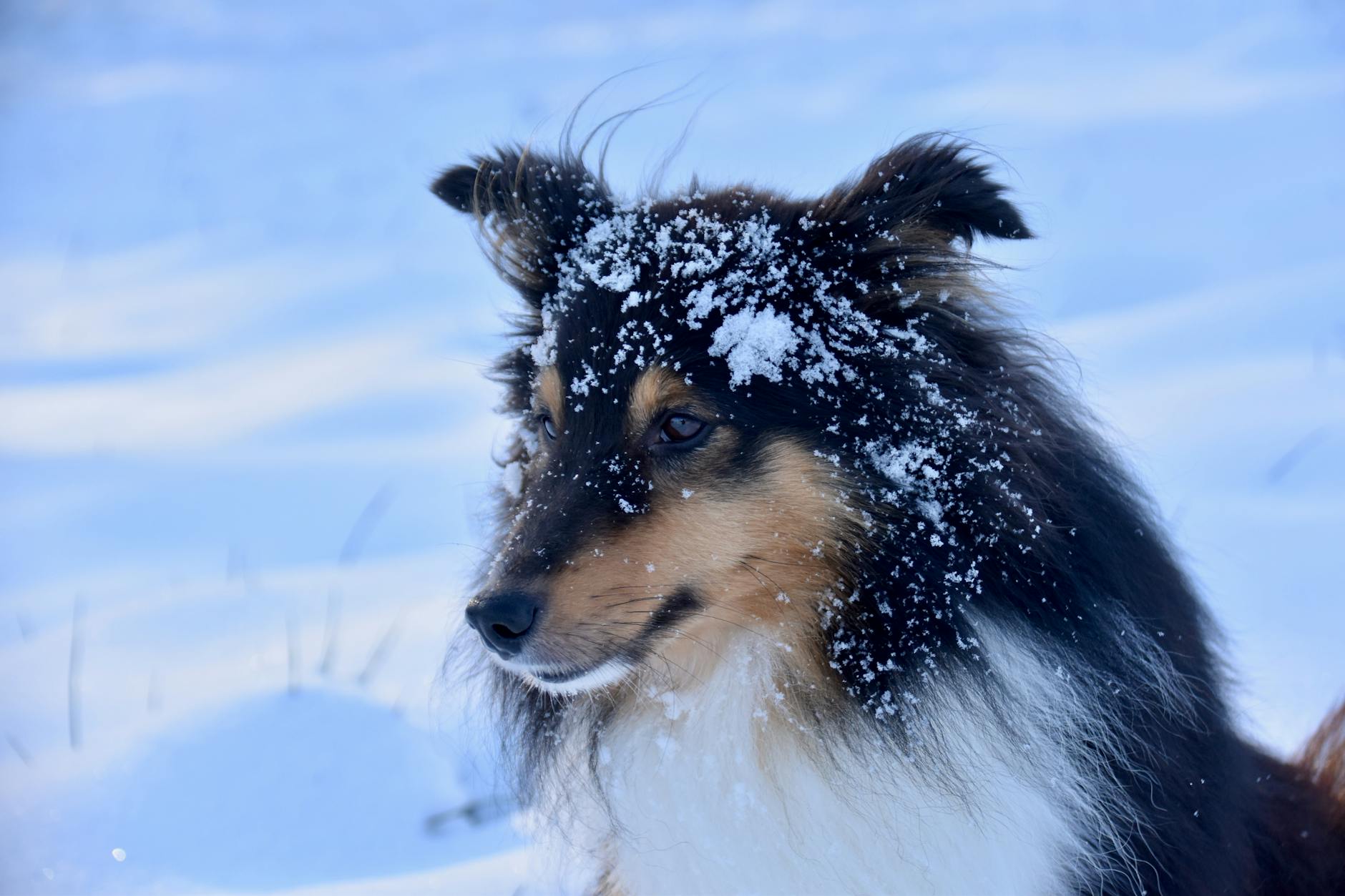
Medium-sized dogs with average coats handle cold better than their smaller counterparts but still show temperature sensitivity around freezing. Breeds like Beagles, Border Collies, and mixed breeds in this size range typically remain comfortable for hiking until temperatures reach the low 30s.
However, our research reveals that coat thickness matters more than size alone. A thin-coated Whippet may need protection at 40°F while a thick-coated Australian Shepherd remains comfortable at 25°F.
Large Breeds (Over 60 lbs): Can Handle Brief Exposure to 20°F
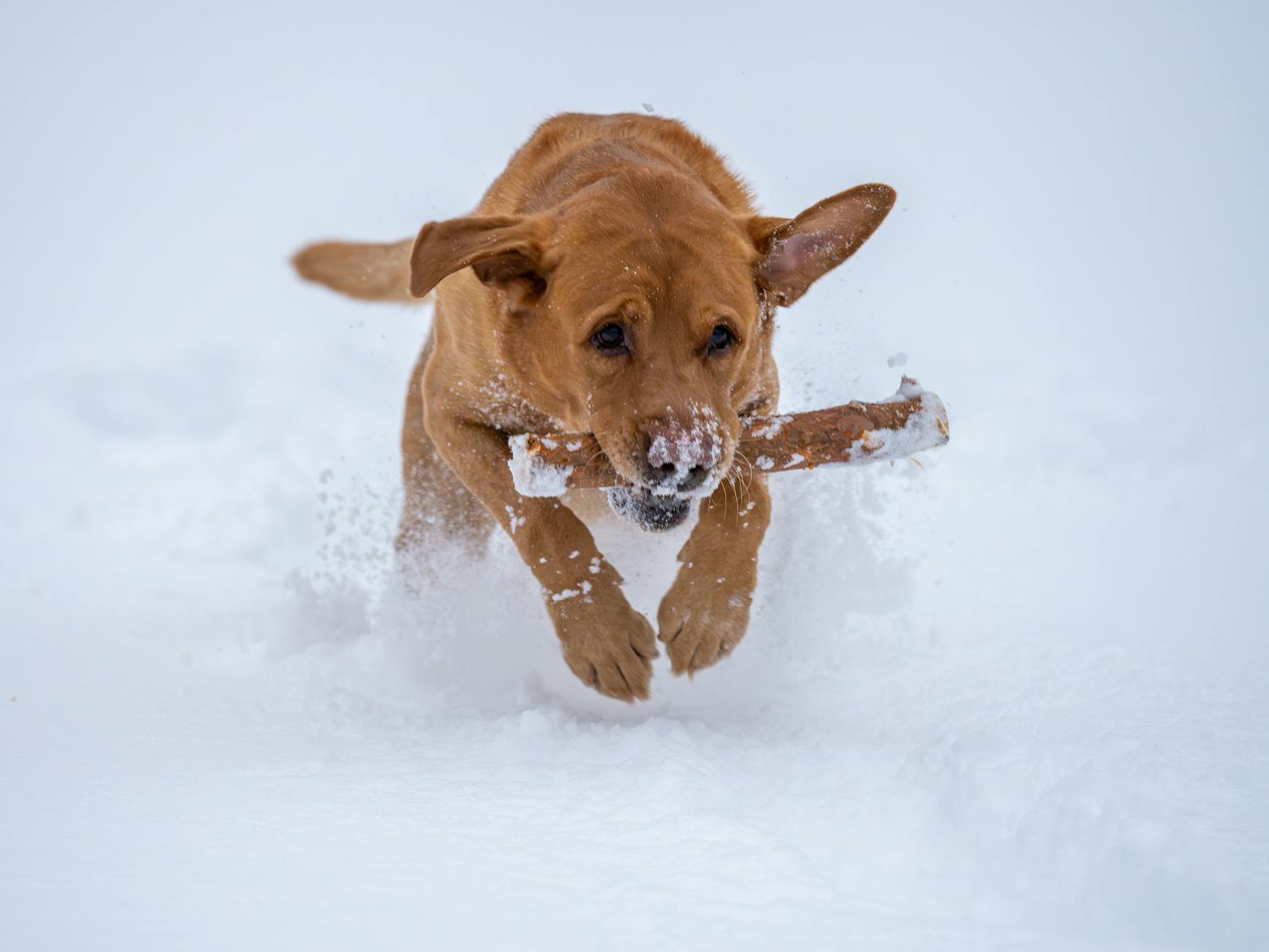
Large breed dogs generally show the highest cold tolerance, with many users reporting successful short hikes even when temperatures drop into the teens. Golden Retrievers, Labs, and German Shepherds frequently handle 20-25°F hiking conditions without protective gear.
The key word here is “brief.” Even cold-hardy large breeds shouldn’t spend extended periods below 20°F without shelter or additional protection.
Double-Coated Breeds: Natural Cold Weather Champions
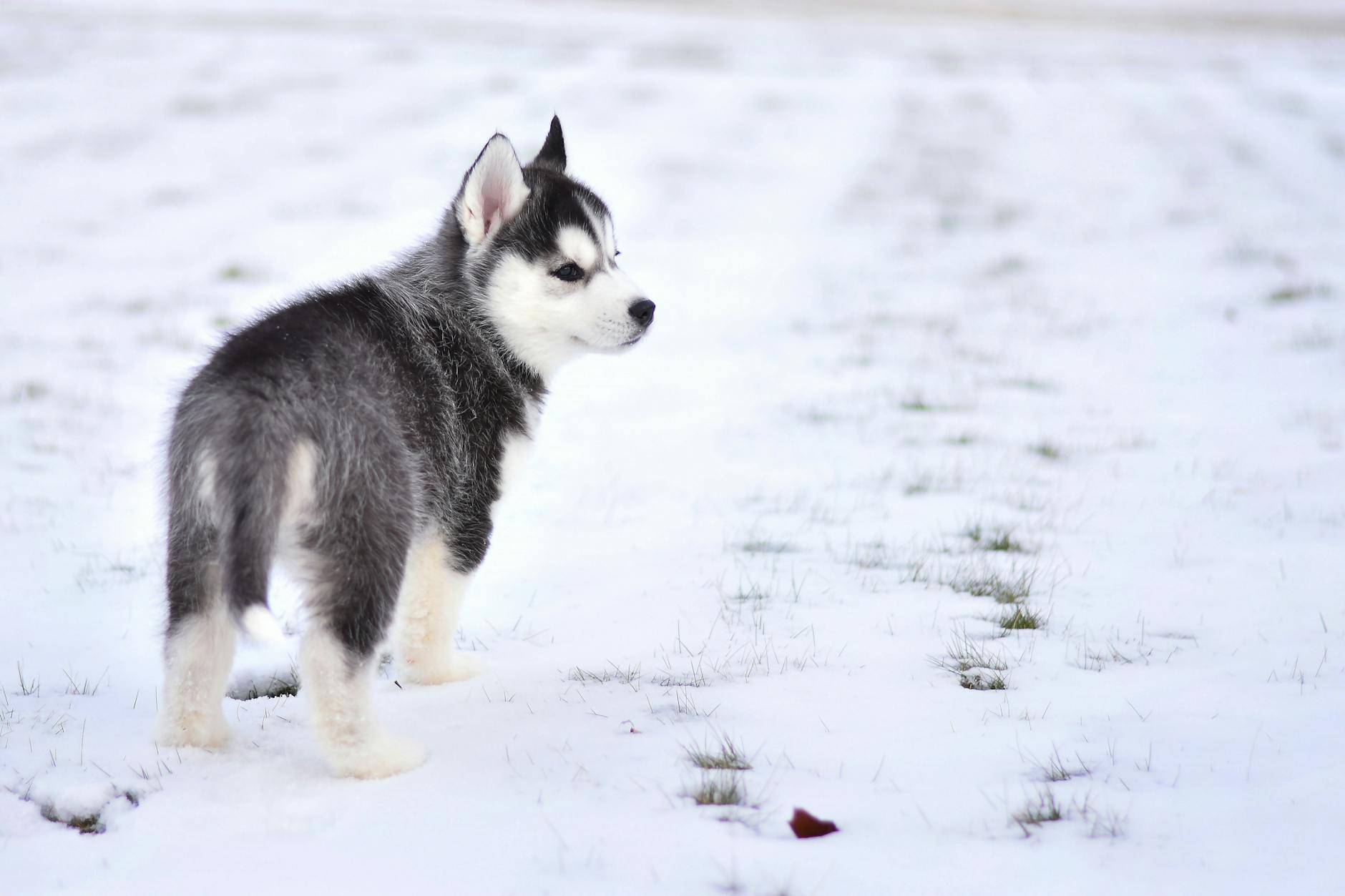
Breeds with thick double coats, like Huskies, Malamutes, and Newfoundlands, consistently outperform single-coated breeds in cold tolerance tests. These dogs often remain comfortable down to 10-15°F for moderate activity periods.
Interestingly, our research shows these breeds can actually overheat in winter gear above 32°F, making temperature assessment crucial for proper gear selection.
Warning Signs Your Dog is Too Cold
Physical Symptoms to Watch For
Based on veterinary guidance and user reports, key physical signs include:
Shivering: The most obvious indicator, though some dogs shiver from excitement rather than cold
Pale gums: A sign of reduced circulation that requires immediate warming
Cold ears and paws: These extremities lose heat first and indicate core temperature stress
Hunched posture: Dogs curl up and tuck extremities to conserve body heat
Ice formation: Ice crystals on fur or between paw pads signal dangerous exposure levels
Behavioral Changes That Signal Discomfort
Hiking forums consistently mention these behavioral changes as early warning signs:
Reluctance to continue walking: Dogs naturally want to return to warmth when uncomfortably cold
Seeking shelter: Moving toward trees, rocks, or your legs for wind protection
Lifting paws frequently: Trying to warm cold paw pads on warmer surfaces
Whining or vocalization: Dogs communicate discomfort through increased vocalization
Decreased activity level: Less sniffing, exploring, or playful behavior than usual
Essential Cold Weather Gear for Temperature Protection
When Your Dog Needs a Winter Coat
Research from gear manufacturers and user reviews shows that dogs benefit from winter coats when temperatures drop below their breed-specific comfort threshold, typically around 35-40°F for most medium to large breeds.
The Ruffwear Quinzee Insulated Jacket consistently receives high marks from hiking communities for active dogs. Priced around $80, it features synthetic insulation and a water-resistant shell designed for movement during hiking activities. Users report it’s effective down to approximately 15°F for medium-sized active dogs. However, the sizing runs small, and the velcro closures can collect debris on brushy trails.
For less active outdoor time or budget-conscious hikers, the Kurgo North Country Dog Coat at roughly $55 provides basic insulation and wind protection. Reviews mention it works well for temperatures in the 20-35°F range for casual walks and brief outdoor exposure. The main drawback is limited water resistance in wet snow conditions.
Small breed dogs are particularly vulnerable to cold temperatures and often benefit from specialized winter protection even in milder conditions above freezing.
Paw Protection: Boots vs. Wax
Paw protection becomes critical on snow and ice, regardless of air temperature. The Ruffwear Summit Trex Boots receive consistent praise from hikers for staying secure during active movement. Users report they’re essential when hiking on snow, ice, or salt-treated surfaces. The downside is that some dogs need significant training time to accept wearing boots, and they can be challenging to put on in cold conditions.
Alternatively, paw wax products provide protection for dogs who won’t tolerate boots. Reviews suggest wax works well for brief exposure but requires reapplication during longer hikes.
For active hiking in snow conditions, consider pairing temperature awareness with proper winter footwear to protect paws from ice and salt.
Insulated Dog Houses for Outdoor Stays
If your dog spends time outdoors while you’re away, insulated shelter becomes critical below 35°F. The Dog Palace Dog Palace Insulated Dog House provides wind and weather protection with raised floors to prevent ground cold transfer. The main limitation is that assembly can be challenging, and the insulation isn’t sufficient for temperatures below 20°F without additional heating elements.
Real-World Hiking Scenarios: Temperature Decision Framework
Day Hikes: Duration vs. Temperature Trade-offs
Our research reveals that exposure time significantly impacts safe temperature thresholds. A 30-minute morning walk at 28°F might be fine for a medium-sized dog, while a four-hour hike at the same temperature requires protective gear or route modification.
I’ve found that active hiking generates additional body heat, allowing dogs to handle temperatures 5-10 degrees lower than they’d tolerate while stationary. However, this assumes continuous movement and protection from wind exposure.
Overnight Camping: Shelter Requirements
Overnight camping changes the cold tolerance equation entirely. Even cold-hardy breeds need insulated ground barriers and wind protection when sleeping outdoors below 40°F. Users report that sleeping bags designed for dogs or elevated, insulated beds become necessary equipment rather than luxury items.
Emergency Weather Changes on Trail
Weather can change rapidly during hiking, especially at elevation. Our research shows that having emergency warming gear becomes critical when starting in acceptable temperatures that might drop unexpectedly. Compact emergency coats or space blankets for dogs should be standard gear when hiking in shoulder seasons.
Special Considerations for Weekend Hikers
Elevation Changes and Temperature Drops
Temperature typically drops 3-5 degrees per 1,000 feet of elevation gain. This means a comfortable 45°F trailhead temperature becomes a risky 30°F at 3,000 feet elevation. Many hikers underestimate this effect when planning gear needs.
Wind Chill Factor Impact
Wind significantly increases cold stress beyond simple air temperature. A 32°F day with 20 mph winds creates a “feels like” temperature around 18°F for dogs. Ridge hiking and open terrain expose dogs to higher wind speeds than sheltered valley trails.
Wet Conditions Amplify Cold Risk
Wet fur loses insulating properties rapidly. Dogs become vulnerable to hypothermia at much higher temperatures when wet, with some users reporting problems at 40°F in rain conditions. Waterproof gear becomes essential when combining cold temperatures with precipitation.
Expert Veterinarian Guidelines Summary
American Veterinary Medical Association Recommendations
The AVMA guidelines emphasize that no single temperature threshold applies to all dogs, but they consistently recommend monitoring for discomfort signs below 35°F and providing indoor shelter below 32°F. They specifically note that small dogs, elderly dogs, and those with health conditions need protection at higher temperatures.
When to Consult Your Vet About Cold Tolerance
Veterinary sources recommend consulting your vet if your dog has:
– Diabetes or other metabolic conditions affecting temperature regulation
– Heart disease that might limit circulation
– Arthritis that worsens in cold weather
– Previous cold-weather injuries like frostbite
– Unusual sensitivity to temperature changes
FAQ: Most Common Cold Weather Questions
What temperature outside is too cold for a dog?
Most dogs should have limited outdoor time below 35°F, with shelter recommended below 32°F. However, small breeds (under 25 lbs) may need protection starting at 45°F, while large, thick-coated breeds can briefly handle temperatures down to 20°F. Age, health, and coat type significantly affect individual tolerance levels. Monitor for shivering, reluctance to walk, or seeking shelter as key warning signs regardless of the temperature.
Can my dog sleep outside in 40 degree weather?
For most healthy adult dogs with adequate shelter, 40°F is acceptable for sleeping outdoors if they have insulated, wind-proof housing and elevated bedding that prevents ground cold transfer. Small breeds, puppies, and senior dogs need indoor shelter at this temperature. Double-coated breeds like Huskies handle 40°F sleeping temperatures well with proper shelter, but single-coated breeds may show discomfort.
How long can dogs stay outside in 32 degree weather?
At 32°F, most medium to large dogs can handle 30-60 minutes of active outdoor time without protection. Small breeds should limit exposure to 10-15 minutes maximum. Continuous activity like hiking extends safe exposure time by generating body heat, while stationary activities like camping require protective gear or shelter after 30 minutes. Wind and wet conditions significantly reduce these time limits.
What are the warning signs a dog is too cold while hiking?
Key warning signs include visible shivering, reluctance to continue walking, frequently lifting and favoring paws, actively seeking shelter or pressing against you for warmth, hunched body posture with tail tucked, and decreased activity level compared to normal. Pale gums or ice formation on fur indicate dangerous cold exposure requiring immediate warming and potential veterinary attention.
Do dogs with thick coats need winter gear below freezing?
Double-coated breeds like German Shepherds, Golden Retrievers, and Nordic breeds typically don’t need winter coats until temperatures drop below 20°F for active hiking. However, they may need paw protection on snow and ice regardless of air temperature to prevent ice ball formation and pad injuries. Single-coated dogs need body protection starting around 32°F even if they’re large breeds.
What’s the difference between cold tolerance in small vs. large dogs?
Small dogs have higher surface area to body mass ratios, causing faster heat loss and requiring protection starting at 45°F. Large dogs generate more body heat through increased muscle mass and can maintain core temperature longer, typically handling temperatures down to 32°F safely. The difference can be as much as 15-20 degrees in safe exposure thresholds between a 10-pound and 70-pound dog.
How does wind chill affect safe outdoor temperatures for dogs?
Wind chill significantly reduces safe temperature thresholds by accelerating heat loss through fur. A 32°F day with 20 mph winds feels like 18°F to dogs, requiring the same precautions as actual 18°F temperatures. Wind increases heat loss through fur penetration and exposed areas like ears, nose, and paw pads. Sheltered hiking areas allow dogs to handle temperatures 10-15 degrees colder than exposed ridge hiking.
Should I cancel a hike if it’s below 32 degrees?
Below 32°F hiking requires careful assessment of your dog’s size, coat type, fitness level, available protective gear, and planned exposure duration. Small dogs and senior dogs should avoid extended hiking below freezing regardless of gear. Large, healthy dogs with appropriate protection can hike safely in the 20-30°F range with shortened exposure times, frequent warming breaks, and emergency shelter options.
Comparison Table: Cold Weather Tolerance by Dog Type
| Dog Category | Safe Limit | Caution Zone | Protection Needed | Exposure Time Limit | Key Considerations |
|---|---|---|---|---|---|
| Small Breeds (<25 lbs) | 50°F+ | 35-50°F | Below 45°F | 15-30 minutes | High surface area to mass ratio |
| Medium Breeds (25-60 lbs) | 35°F+ | 20-35°F | Below 32°F | 30-60 minutes | Individual coat variation matters |
| Large Breeds (60+ lbs) | 25°F+ | 10-25°F | Below 20°F | 60-90 minutes | Brief exposure tolerance only |
| Double-Coated | 15°F+ | 0-15°F | Below 10°F | 90+ minutes | May overheat with gear above 32°F |
| Senior/Puppy | 45°F+ | 32-45°F | Below 40°F | 15-30 minutes | Reduced temperature regulation |
Final Pick: If We Could Only Recommend One Temperature Guideline
If we could only give one piece of advice, it’s this: start monitoring your dog closely once temperatures drop below 35°F, regardless of breed. This threshold gives you a safety buffer while accounting for individual variation in cold tolerance. Small dogs need protection earlier (around 45°F), while large dogs can handle slightly colder temperatures, but 35°F serves as a universal “pay attention” point that keeps most dogs safe while maximizing outdoor enjoyment.
For gear investment, the Ruffwear Quinzee Insulated Jacket provides the best balance of protection, durability, and freedom of movement for active hiking dogs when temperatures require additional protection.
Remember, your dog’s safety depends on understanding their individual limits rather than following one-size-fits-all rules. Start with these veterinary-backed guidelines, observe your dog’s responses, and adjust accordingly. Combined with appropriate winter gear when needed, these temperature thresholds will help you make confident decisions about outdoor adventures all winter long.